
DIY Window Screen Repair A Phoenix Homeowner’s Guide

Window screens are one of those things you don't think about until there's a problem. But here in Phoenix, a torn or damaged screen isn't just an eyesore—it's an open invitation for pests, dust, and the brutal sun to invade your home. The good news is that most window screen repair is a surprisingly straightforward DIY project that can save you from a much costlier full replacement down the road.

Why Intact Window Screens Are Your First Defense in Phoenix

View from a large window showcasing a desert landscape with mountains and a saguaro cactus. Text reads 'PROTECT YOUR HOME'.

Living in the Valley, we know a window screen has a much bigger job than just keeping flies out of the potato salad. It’s a workhorse, a silent guardian protecting your home from the unique challenges of the Sonoran Desert. A small rip might not seem like a big deal, but it's basically a "vacancy" sign for scorpions, mosquitos, and other critters we'd rather keep outside.

From Scottsdale to Peoria, homeowners who keep their screens in pristine shape enjoy more comfort and lower bills. This guide will walk you through screen repair as a simple, manageable project with immediate payoffs. We'll cover everything from quick patches to knowing when it's time to call in a pro.

More Than Just a Bug Barrier

The most obvious function of a screen is keeping bugs out, but their role in a Phoenix home goes way beyond that. Well-maintained screens directly impact your quality of life and your wallet.

Think about what a healthy screen really does for you:

  • Pest Prevention: It's your primary defense against a whole host of desert insects, from annoying gnats to more unwelcome guests.
  • Dust and Debris Filtration: After a haboob or even just a windy afternoon, your screens trap a surprising amount of dust and debris that would otherwise coat every surface in your house.
  • Energy Efficiency: This is a big one. Quality solar screens can block a huge amount of solar heat, taking a significant load off your AC unit and trimming your energy bills.

There’s a reason the market for window and door repairs, including screens, is expected to jump from USD 0.73 billion in 2026 to USD 1.32 billion by 2035. Based on our experience, damaged screens account for 15-20% of typical window repair calls because they compromise everything from ventilation to security. A little proactive maintenance can easily extend a screen's life by 5-7 years, saving you hundreds. If you're interested in the numbers, you can explore more about this growing market and see why it’s become so essential.

Key Takeaway: Stop thinking of screen repair as just a cosmetic fix. For Phoenix homeowners, it's preventative maintenance that leads to a cleaner, cooler, and more comfortable home.

Deciding Your Repair Strategy

Okay, so you know your screens are important. Now what? The next step is figuring out the right plan of attack. A tiny puncture from a pet’s claw or a stray golf ball might only need a simple patch kit—a five-minute job that stops the damage from spreading.

On the other hand, a screen that was shredded in a monsoon storm or a frame that got bent out of shape is a different story. Those situations require a more involved fix. This guide will give you the know-how to look at the damage and make a smart call. You’ll learn to spot an easy DIY job versus a problem where calling a professional service like Sparkle Tech will save you a ton of time, frustration, and ultimately, money.

Choosing the Right Tools and Materials for Your Repair

Close-up of a person using a screen roller tool to install mesh into a green frame.

The difference between a crisp, professional-looking screen repair and a frustrating afternoon of torn mesh often boils down to having the right gear. Walking into a big-box hardware store can feel overwhelming, but you really only need a few specific items to get a factory-tight finish.

Beyond a good utility knife and measuring tape, the one tool you absolutely cannot skip is a spline roller. Seriously, don't even attempt the job without one. This little gadget has two wheels: a concave (grooved) wheel that perfectly presses the spline into its channel and a convex (rounded) wheel to gently crease the mesh first. Trying to improvise with a screwdriver is a recipe for a ripped screen and a loose fit.

Selecting the Perfect Screen Mesh for Phoenix

Now for the main event: the screen material. What you choose here is critical, especially with our relentless Arizona sun. Standard fiberglass might be the default, but it's rarely the best choice for homes in Surprise or Goodyear that bake in the heat all day.

Let's break down your options:

  • Fiberglass Mesh: This is your basic, entry-level screen. It's affordable and pretty forgiving for a first-timer to install, but it just doesn't last long here. The intense UV rays make it brittle, and you'll likely be redoing the job in a few years.
  • Aluminum Mesh: A solid step up in durability. Aluminum holds its shape well and won't sag over time. The big drawback? It dents and creases very easily during installation. One wrong move with the roller tool and you've got a permanent cosmetic flaw.
  • Pet-Resistant Screen: If you have dogs who jump on doors or cats who see screens as climbing walls, this is your answer. It's a vinyl-coated polyester mesh that's about seven times stronger than standard fiberglass. It’s built to withstand claws and paws.
  • Solar Screen: For any Phoenix-area home, this is the smartest upgrade you can make. These heavy-duty screens are designed to block up to 90% of the sun's heat and UV radiation. That means a cooler home, lower A/C bills, and less sun-fading on your floors and furniture.

For most Phoenix homeowners, upgrading to a solar screen during a window screen repair provides the best return on investment. The energy savings during a single scorching summer can often offset the higher initial material cost.

Getting the Right Spline

The spline is that simple rubber cord that locks the mesh into the frame’s groove. Its size is everything. Too small, and your screen will pop right out with the first gust of wind. Too big, and you'll fight for an hour trying to force it in, potentially bending the frame in the process.

The best way to get the right size is to take a small piece of the old spline with you to the hardware store. If it's all gone, carefully measure the width of the channel in the frame. Most residential screens use common diameters like .140", .160", or .180".

To help you decide on the mesh itself, it's useful to see how these materials stack up for our local climate.

Screen Material Comparison for Phoenix Homes

Choosing the right screen material involves balancing cost, durability, and your specific needs. This table breaks down the most common options to help you make the best choice for your home.

Material Type Average Cost (per roll) Durability Best For Phoenix-Specific Tip
Fiberglass $10 – $20 Low Low-traffic windows, budget repairs. Can become brittle in 3-5 years due to intense sun exposure.
Pet Screen $40 – $60 High Homes with active pets, high-traffic doors. Resists tearing from claws and paws, a common issue for ground-floor screens.
Solar Screen $50 – $80 Very High West/south-facing windows, reducing energy bills. Blocks solar heat gain, significantly cutting AC costs in peak summer months.

As you can see, while fiberglass is cheap up front, tougher materials like pet screen or solar screen offer far more value and longevity in the Arizona environment.

Gathering your materials isn't just a preliminary step—it's half the battle. With a proper spline roller, the right size spline, and a mesh chosen for your home's specific challenges, you're set up for a successful repair you can be proud of.

How to Patch Small Tears and Holes Like a Pro

That tiny rip in your window screen might not look like much, but here in places like Mesa or Gilbert, it’s an open invitation for dust and every bug imaginable. The good news is you don't always need a full replacement for minor damage. For those small tears and holes from a pet's claw or a rogue branch, a quick patch job is usually the perfect fix.

Honestly, patching a screen is one of the easiest DIY wins you can get. It's a fast, cheap way to restore your screen's function and stop a small problem from tearing into a bigger, more expensive one. We'll walk through two of the best methods I've used over the years: simple adhesive patches and liquid repair sealant.

Prepping the Area for a Lasting Repair

Before you even reach for a patch, you have to clean the screen. I can't stress this enough. Any dust, pollen, or general grime clinging to the mesh will kill the patch’s adhesion, and you'll find your handiwork peeling off in a few weeks.

Just grab a soft cloth or brush with a little mild soap and water and gently clean around the hole. Be careful not to make the tear any bigger. Once it's clean, the mesh needs to be completely dry. If you're short on time, a hairdryer on a low, cool setting does the trick.

The Quick Fix Using Adhesive Screen Patches

If you’re dealing with a hole smaller than a quarter, an adhesive screen patch is your go-to solution. These are basically little pre-cut squares of screen material with a sticky back. They’re dead simple to use and create a surprisingly tough repair.

First, take a pair of small scissors and snip away any of the frayed, loose strands around the hole itself. This gives you a clean surface for the patch to grip onto.

Next, size up your patch. You want it to overlap the good, undamaged screen by about a half-inch on all sides. If the patch is too big, just trim it down. Then, peel off the backing, carefully center it over the tear, and press down hard. I like to rub it from the center outwards for at least 30 seconds to make sure it gets a really solid bond.

For an even stronger repair, stick a second patch on the other side of the screen. This creates a "sandwich" over the hole, doubling the strength and making it much more likely to hold up against our windy days.

Pro Tip: After you've applied the patch, grab your hairdryer again. Gently warming the patch for 10-15 seconds helps the adhesive cure. It’s a little trick that creates a much stronger, more permanent bond that holds up beautifully in the Arizona heat.

Applying Screen Repair Sealant for Tiny Holes

What about those really tiny punctures? Sometimes the damage is too small to justify a patch but big enough to let mosquitos through. For those little pinholes or tiny slits, a waterproof screen repair sealant is the perfect tool. It usually comes in a small bottle with a brush applicator, just like nail polish.

The process couldn't be simpler. After cleaning the spot, just dab a thin layer of the sealant over the hole. The liquid fills the gap and dries into a flexible, clear seal that’s almost invisible.

In a pinch, you might even have a solution in your junk drawer. For a very minor puncture, a tiny bit of clear, waterproof super glue or even clear nail polish can do the job. It won't be as durable as a dedicated sealant, but it's a great temporary fix to stop a tiny hole from becoming a bigger tear.

Blending Your Repair for a Better Look

Let's be real: a big concern with any DIY screen repair is that it's going to look ugly. While a patch will never be perfectly invisible, there are a few things you can do to help it blend in.

  • Choose the Right Color: Most patches are black or charcoal, which works for most screens. If you have gray or silver screens, take a moment to find a patch that matches.
  • Keep It Clean: A brand-new patch really stands out on a dirty screen. Giving the entire screen a quick wipe-down after you're done helps everything look more uniform.

At the end of the day, a small, visible patch is a whole lot better than an open hole letting in pests and dirt. It’s a functional fix that keeps your home protected. If you take a few extra minutes to do it right, you'll get a repair that's durable, discreet, and extends the life of your screen.

Your Guide to a Full Window Screen Replacement

Sometimes a simple patch just isn’t going to do the job. When you're dealing with big rips, sun-rotted mesh that’s brittle to the touch, or you just want to upgrade your screen material, a full replacement is the way to go. It might seem like a big project, but rescreening a window is something most homeowners here in Phoenix can handle with a little patience.

Think of it as stretching a canvas. The process isn't overly complex, but it does require a methodical approach to get that tight, professional finish. We'll walk you through it, from dismantling the old screen to making that final, satisfying trim on the new one.

Prepping the Frame

First things first, find a good workspace. A clean spot on the garage floor or a large, flat table works perfectly. Lay down a blanket or drop cloth to keep the screen frame from getting scratched up.

Getting the screen out of the window is usually straightforward. Most screens have pull tabs on the bottom and compression springs at the top. All you have to do is push up from the bottom of the frame, compressing those springs, and then pull the bottom of the frame toward you. If it's an older screen that's a bit stuck, you can gently use a flat-head screwdriver to pry it out, but be careful not to bend the aluminum.

Once the frame is on your work surface, it's time to get the old spline out. Look for the end, usually tucked into a corner, and use an awl or a small screwdriver to dig it out of the channel. With any luck, you can pull the whole thing out in one piece. If it’s old and sun-baked, it’ll likely snap—that's fine, just make sure you get every last bit out of the groove.

Insider Tip: Hang on to a piece of that old spline! Taking a sample to the hardware store is the single best way to guarantee you buy the right replacement diameter. It completely removes the guesswork.

Measuring and Cutting the New Mesh

With the old spline and mesh gone, take a second to clean the frame’s channel. An old toothbrush and a quick blast from a can of compressed air are perfect for getting rid of years of caked-on dust. You need a clean channel for the new spline to sit properly.

Now, roll out your new screen mesh over the empty frame. You'll want it to overlap the frame on all four sides. A good rule of thumb is to cut the mesh so it’s at least two inches wider and longer than the frame. This extra material gives you something to hold onto when you're pulling it tight later.

For a clean cut, use a sharp utility knife against a straight edge. Don't worry about making it perfect; you'll trim the excess off at the end. If this is your first time doing this, I'd recommend using fiberglass mesh. It's much more forgiving than aluminum, which creases permanently if you make a mistake.

Installing the New Mesh and Spline

This is where your technique really comes into play. The goal is a taut, wrinkle-free screen. Start by laying your oversized piece of mesh over the frame, making sure it’s flat and centered.

Grab your spline roller—this is your best friend for the next few minutes. You'll notice it has two different wheels: a rounded (convex) one and a grooved (concave) one.

  • First, use the convex wheel to gently press the mesh into the channel along one of the long sides. This creates a handy little crease to guide the spline.
  • Next, grab your new spline. Using the concave wheel, press the spline firmly into the channel right over the mesh you just creased. Start at a corner and run it down the entire length of that side. Don't cut the spline yet!

Now, move to the opposite long side. This is the crucial step for creating tension. Pull the screen mesh taut—not so hard you bend the frame, but firm enough to eliminate slack. While holding it tight, use the concave wheel to roll the spline into the channel on this second side.

Repeat this process for the two shorter sides, always pulling the mesh gently taut before you roll the spline in. You might need to use your screwdriver to poke the spline securely into the corners. Once all four sides are in, give it a good look. See any wrinkles or saggy spots? It’s far better to pull that section of spline out and redo it now than to live with a loose screen.

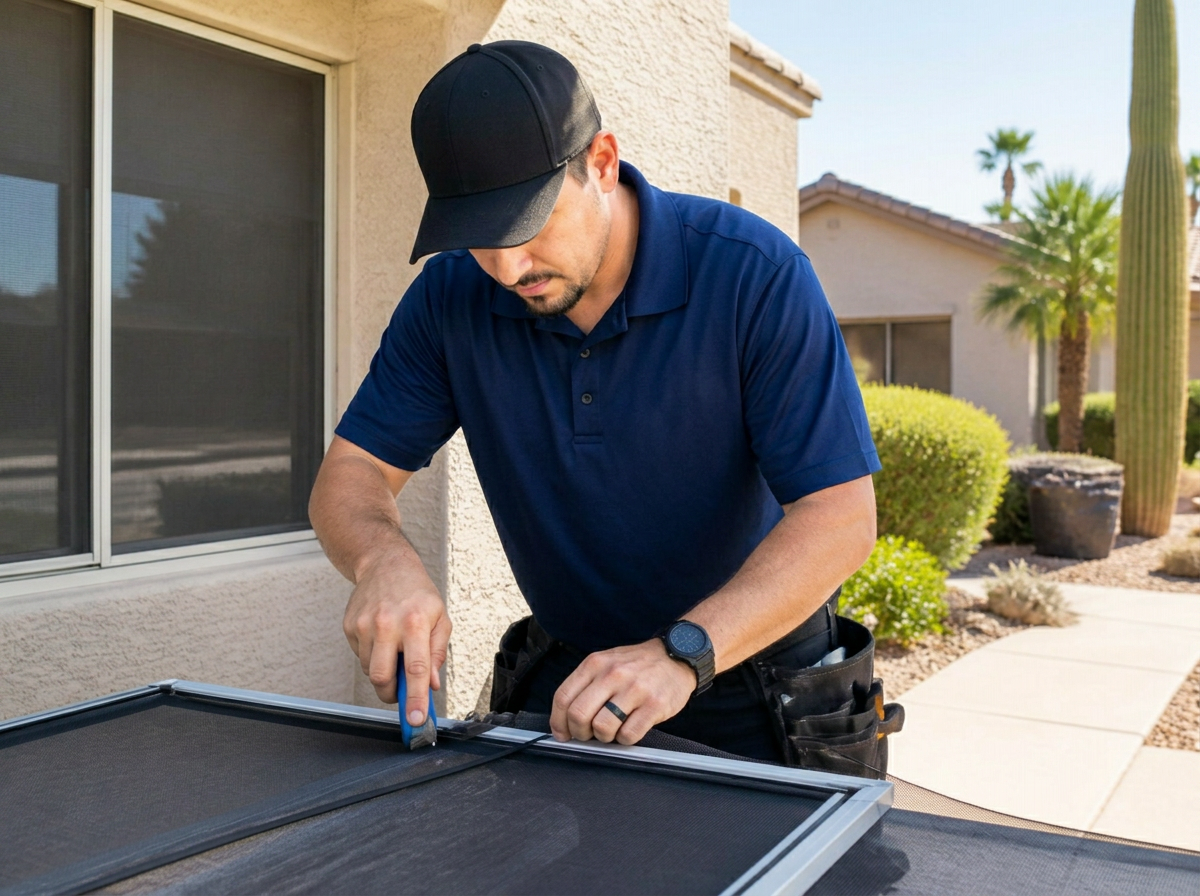
Finally, trim the excess. With a sharp utility knife, carefully cut off the extra mesh hanging over the sides. Angle the blade away from the spline so you don't accidentally slice your new work. Cut right along the outside edge of the spline channel for a clean, factory-fresh look.

While the diagram below illustrates a simpler patch, the core principles of having a clean surface and sealing the material in place are the same for a full replacement.

A three-step diagram illustrating the screen tear repair process: clean area, apply patch, and seal edges.

This process highlights a key takeaway for any screen repair: always start with a clean frame to ensure a strong, lasting result.

Your newly rescreened window is ready for action! To reinstall it, just reverse the process: guide the top of the frame (with the springs) into the upper window channel, push up, and pop the bottom of the frame back into its track. It should snap right in. You just gave your window a new lease on life. As you plan other home improvements, knowing the costs involved is always helpful; you can read our guide for more on the potential cost to repair window screens.

Maintaining Screens to Survive the Arizona Climate

A woman wearing a yellow shirt and glove cleans a large window with a brush and water.

Here in Arizona, our window screens are in a constant battle. The sun's intense UV rays bake the mesh day after day, making it brittle and weak. Then, the monsoon winds come through, blasting them with abrasive dust and sand. It's a tough life for a screen.

Thinking about maintenance isn't just about appearances; it's a survival strategy. Putting off care until you have a big tear is a recipe for bigger, more expensive problems down the road. A little proactive upkeep goes a long way, helping your screens last longer, improving your home's air quality, and keeping those beautiful Arizona views clear.

Gentle Cleaning for a Harsh Environment

The number one rule for cleaning screens in our climate? Be gentle. It’s tempting to hit them with a pressure washer, but that’s one of the worst things you can do. High pressure and harsh chemicals will degrade the mesh and strip its protective coating in no time. The professional approach is all about removing the gunk without adding stress to the screen itself.

First, pop the screens out of their frames. Grab a soft-bristled brush (or your vacuum’s brush attachment) and give them a good, gentle sweep to knock off all the loose dust, pollen, and cobwebs. Trust me, you want to do this dry. Adding water to a dusty screen just turns it into a muddy, caked-on mess.

Next, it's time for a bath. Just mix a few drops of mild dish soap into a bucket of warm water. Using a soft sponge or microfiber cloth, gently wipe down both sides of the screen. No aggressive scrubbing! That’s how you end up with stretched or warped mesh. For a more detailed guide, you can check out our guide on how to clean window screens for more pro tips.

Rinse them off with a low-pressure stream from your garden hose, making sure to get all the soap off—any residue left behind is a magnet for more dust. The final step is crucial: let the screens air dry completely in a shady spot. Setting them out in the direct sun can cause the frames to warp, especially if they’re vinyl.

A Practical Maintenance Schedule

Staying on top of screen care doesn't have to take over your weekend. A simple, consistent schedule is all it takes to keep the job manageable and effective.

  • Monthly: Do a quick visual check. Walk around your house and look for any new small holes or tears before they get bigger. A quick dry brushing at this stage can also work wonders.
  • Quarterly: This is the time for a proper wash-down using the soap-and-water method. It’s especially important after a big haboob rolls through or during the heavy spring pollen season.
  • Twice a Year: Give your screens a deep inspection. I recommend doing this right before the summer heat kicks in and again after the monsoon season ends. Check the spline for cracking and make sure the frames are still solid and secure.

This isn't just busywork. For those of us in Phoenix dealing with 110°F summers, clean, intact screens can cut cooling costs by 10-15% by blocking up to 70% of solar heat gain. Energy audits have shown that can save a household around $200 annually. Keeping them clean also helps avoid the 20% failure rate we see from pollen and sand buildup in places like Mesa and Glendale, extending screen lifespan by as much as 40%. You can discover more insights about window coverings and their effect on home energy.

Key Insight: Regular, gentle cleaning is the single best thing you can do to avoid a premature window screen repair. It gets rid of the very dirt and debris that slowly destroy the mesh over time.

Knowing When to Call a Professional for Screen Repair

There's a real satisfaction in fixing things around the house yourself, and window screens are often a great place to start. But even the most dedicated DIYer knows there’s a point where a project can go from a fun challenge to a major headache.

Knowing your limits is the smartest thing you can do. It's about recognizing when handing the job over to an expert will save you time, frustration, and ultimately, money.

Scenarios That Call for a Pro

The first big red flag is the frame itself. Take a close look. Is it bent, cracked, or broken? If the answer is yes, that's your cue to pause. Trying to bend an aluminum frame back into perfect shape without the right equipment is a recipe for disaster. A warped frame simply won't hold the new screen taut, no matter how skilled you are with a spline roller.

Then there's the issue of safety and access. Are we talking about second-story windows or screens in awkward, hard-to-reach spots? Teetering on a ladder while trying to wrestle a screen out of its channel is a serious safety risk. It’s just not worth it. Professionals have the proper ladders, safety gear, and experience to handle high-up jobs safely and quickly.

Here are a few classic situations where it’s best to call in the experts:

  • Damaged or Bent Frames: A professional can assess if a frame can be repaired. If not, they can build a brand-new one to the exact size you need—something well beyond a typical DIY fix.
  • High or Inaccessible Windows: Don't risk a fall or dropping a frame. A pro service can make quick work of second-story screen replacements.
  • Custom or Odd-Sized Screens: Think arched windows, extra-large patio door screens, or any other non-standard shape. These require specialized tools and a practiced hand to get a wrinkle-free, perfect fit.
  • Large-Scale Projects: If you're looking at replacing screens throughout your entire home, the job can quickly eat up an entire weekend, or more. A professional crew can often knock out the whole project in just a few hours.

One of the most common mistakes we see is a homeowner trying to muscle a bent frame back into shape. This almost always makes it worse and can even damage the window channel. A pro can tell you right away if the frame is salvageable or if a new one is the only reliable option.

The Value of Professional Expertise

Hiring a professional isn't just about avoiding a tough job; it’s about getting a superior, longer-lasting result. A company like Sparkle Tech brings a level of precision that only comes from years of hands-on work. We've seen every kind of screen issue imaginable, from historic homes in Paradise Valley to brand-new builds in Anthem.

That experience means we spot problems you might miss, like a warped window channel that's preventing the screen from seating correctly. We also use higher-grade materials and specialized tools that deliver that drum-tight finish every single time. For anyone needing help with their screen problems, you can find details on our dedicated window screen repair near me services.

Plus, a professional service stands behind its work. With over 15 years of experience, we guarantee our repairs. If something isn’t perfect, we come back and make it right. That’s a level of assurance a DIY project just can’t provide. When you hire a pro, you’re not just paying for a repair; you’re investing in peace of mind.

Table of Contents

Get an instant estimate

Maintain your investment!

We understand the impact that dust and dirt accumulation can have on the efficiency of your solar panels. That’s why we offer superior cleaning services to ensure your solar panels operate at their maximum capacity.

Our experienced technicians adhere to strict safety protocols while cleaning your solar panels, ensuring your system remains intact and functioning optimally.

Improve your airflow!

Are your window screens torn or missing, leaving openings for pests to invade your home? Are they also covered in dust and dirt, hindering your view and airflow? This common problem can often be overlooked until it’s too late, leading to uninvited guests, potential damage, and obstructed views.

That’s where Sparkle Tech Window Washing comes in. Our professional team not only offers top-quality window screen installation and repair services, but we also specialize in professional window screen cleaning. We handle everything from installing and restoring sun, solar, and bug screens to cleaning your screens, ensuring you have secure, clean, and properly fitted window screens that keep pests out, let fresh air in, and enhance your view. We also provide rescreening.

Illuminate your world with sparkling windows!

Sparkle Tech Window Washing offers superior window cleaning services for both residential and commercial properties. Our dedicated team of professional window cleaners is committed to providing exceptional service, ensuring your windows are clean and clear.

We use advanced techniques to remove dirt and grime from your window panes. We pride ourselves on our attention to detail and customer satisfaction. Experience the difference with Sparkle Tech Window Washing!