
Ice Dam Removal Cost Guide

A cold morning roof problem often starts indoors.

You hear a drip in the wall. A ceiling stain looks darker than it did yesterday. Outside, a hard ridge of ice sits along the roof edge, and the gutters look frozen shut. If you live in Scottsdale, Peoria, or the greater Phoenix area, that can feel strange. Ice dams sound like a problem for snowy states, not the desert. But rare freezes and cold snaps can still create roof-edge ice issues, especially on homes with uneven roof temperatures or poor drainage.

That surprise is part of what makes ice dam removal cost so stressful. Most homeowners aren't planning for it. They don't know what a fair quote looks like, whether a handyman is enough, or if the bill could grow after the ice is gone.

Warm-climate homeowners face an extra wrinkle. In places like Arizona, traditional ice dam service isn't as common, and some companies adapt related exterior maintenance skills for these calls. One industry source notes that in warmer climates such as Arizona, services may adapt pricing to $300 to $1,000 and may bundle the work with window maintenance for HOA properties, as discussed in this ice dam FAQ focused on rare-market service availability.

Introduction to ice dam removal cost

Homeowners don't search for ice dam removal because they're curious. They search because water is starting to go where it shouldn't.

A homeowner might notice icicles on a roof edge after an overnight freeze, then find damp drywall by lunch. A property manager might get calls from two units in the same building after meltwater backs up under shingles. In a colder market, that sequence is familiar. In Phoenix-area neighborhoods, it's unusual enough that people often misread it at first as a gutter clog, a roof leak, or a one-off weather event.

The cost question gets confusing fast because removal isn't one thing. The bill can reflect the method used, the amount of labor, the roof shape, access difficulty, cleanup, and sometimes the repairs found after the ice comes off. A simple edge buildup and a thick, stubborn dam across several rooflines are not the same job.

Homeowners also get tripped up by timing. If you call early, you're paying for removal. If you call after water has moved under shingles and into insulation or drywall, you're dealing with removal plus damage control.

Practical rule: Treat roof-edge ice and indoor leaking as one problem, not two separate ones. The visible ice is often only the front end of the expense.

That is why it helps to think about this topic in layers:

  • First, what causes the ice to form.
  • Second, what drives the removal quote up or down.
  • Third, when a professional is the safer choice.
  • Finally, how to reduce the odds of paying for the same problem again.

A good budget starts with understanding the mechanics. Once you know why the ice formed, contractor quotes make more sense.

Understanding how ice dams form

A roof can create its own freeze-thaw cycle even when the whole neighborhood looks equally cold. That is what makes ice dams confusing. The problem usually starts with heat escaping from inside the house, not with snow sitting on shingles.

An ice dam works like a clog at the low end of a drain. Meltwater should flow off the roof. Instead, it reaches a colder section near the eaves, freezes into a ridge, and starts holding back the next round of water.

A diagram illustrating the step-by-step process of how ice dams form on a house roof.

The roof is not one consistent temperature

Homeowners often assume ice dams form because the weather is cold. Cold weather sets the stage, but uneven roof temperature usually triggers the chain reaction.

The upper part of the roof may warm enough to melt the bottom layer of snow because heat is leaking through the ceiling and attic floor. The overhang stays colder because it extends beyond the heated walls of the house. That gives you a warm section above and a freezing section below on the same roof.

The U.S. Department of Energy explains that attic air sealing and insulation work together to reduce heat loss through the roof assembly, which is a key part of preventing uneven melting and refreezing, in its guide to air sealing your home.

The formation process, step by step

The sequence is easier to follow when you separate it into stages.

  1. Indoor heat escapes upward
    Warm air leaks through gaps around attic hatches, recessed lights, wiring penetrations, duct chases, and other ceiling openings.

  2. Snow begins melting from underneath
    The roof surface does not need to feel warm. It only needs enough heat to loosen the layer of snow touching the shingles.

  3. Meltwater runs downhill
    Gravity moves that water toward the roof edge, just as it should during normal drainage.

  4. The colder eave refreezes the water
    Once water reaches the overhang, it can freeze into a lip of ice because that section is no longer being warmed from below.

  5. A ridge forms and traps more water
    Each new melt cycle adds to the blockage. Water collects behind it and starts searching for another path.

  6. Water slips under shingles
    Shingles are designed for runoff, not standing water. When water backs up, it can work beneath the roofing and into the house.

Small warning signs often show up first

A dramatic wall of ice is not always the first clue. In many homes, the early signals are quieter.

  • Long icicles along one roof edge often point to repeated melting and refreezing in the same area.
  • Patchy snow melt can suggest one section of the roof is warmer than the rest.
  • Wet ceiling spots near exterior walls may show up before the ice at the edge looks serious from the ground.
  • Frozen gutters during a thaw can mean water is reaching the edge but not draining well.

Gutters do not cause every ice dam, but poor drainage can add to the backup once melting starts. If you are sorting out whether the issue began with roof heat loss, debris, or both, this guide on the cost to clean gutters helps explain one piece of that puzzle.

The visible ice is only the stopper. The expensive part is the water it holds in place.

Why this can surprise homeowners in warmer climates

Ice dam advice usually assumes a northern winter with frequent snow and long freeze periods. That leaves out an important group of homeowners. People in warmer climates can still get ice dams during short, unusual cold snaps, and those events often create more confusion because the roof system was not built or maintained with recurring freeze conditions in mind.

In places like parts of Arizona, New Mexico, or higher-elevation neighborhoods across otherwise warm states, the problem may show up around roof transitions, shaded eaves, valleys, or clogged drainage points after a rare storm. The homeowner may treat it like a simple leak or a gutter issue and wait a day or two. That delay matters. A small ridge of ice can turn into wet insulation, stained drywall, or hidden decking damage before anyone realizes the roof edge is the source.

That regional nuance changes cost later, but it starts here with diagnosis. If you understand how the dam forms, you can tell the difference between surface ice, a drainage bottleneck, and a heat-loss problem that will keep coming back.

Breaking down national and regional removal costs

An ice dam quote works like a mechanic's estimate. The final number is not just "remove the problem." It usually combines time on the roof, the removal method, roof access, and any cleanup or minor repair work found along the way.

For 2026 projections, professional ice dam removal typically falls in the $600 to $1,800 range nationally, with many jobs landing near $1,200 for about three hours of labor on a two-story home, according to the Fixr ice dam removal cost guide. That same guide shows how far the price can stretch. Smaller, simpler jobs can start around $400, while large dams across multiple rooflines can climb to $4,000 or more.

The main numbers at a glance

A wide range is normal here because two homes with the same square footage can produce very different roof conditions.

Region/Method Low End Average High End
National professional removal $600 $1,200 $1,800
Chemical method $200 Qualitative mid-range varies $400
Manual chipping $800 Qualitative mid-range varies $1,800
Pressure washer method $400 Qualitative mid-range varies $2,000
Steam removal $800 $1,500 $2,400
Minor dam severity $200 Qualitative mid-range varies $600
Moderate dam severity $600 Qualitative mid-range varies $1,500
Severe dam severity $1,500 Qualitative mid-range varies $4,000 or more

The useful lesson is simple. Home size matters, but roof conditions usually matter more.

Why labor drives so much of the price

Ice dam removal is mostly skilled labor. Fixr notes that contractors often charge $200 to $600 per hour, and most of that cost is labor rather than materials. That makes sense when you picture the actual work. A crew is handling slippery surfaces, winter conditions, ladder setup, roof edges, and methods that can damage shingles if rushed.

A quote can jump quickly when access is awkward. A steep roof, a second-story eave over landscaping, or ice packed around flashing all slow the work. The roof may look simple from the driveway and still be difficult once the crew gets close.

Fixr also notes that many contractors apply a two-hour minimum charge. That minimum helps explain why a small visible dam can still produce a quote that feels high.

Method changes the cost because method changes the risk

The removal method is one of the clearest price drivers.

Fixr groups common approaches this way:

  • Chemical methods run $200 to $400
  • Manual chipping runs $800 to $1,800
  • Pressure washer techniques run $400 to $2,000
  • Steam removal runs $800 to $2,400, with many jobs around $1,500

Steam usually costs more because the contractor brings specialized equipment and works more slowly around roofing materials. That slower pace is often the point. It is like using a careful thaw instead of forcing the ice apart with blunt tools.

Severity matters more than homeowners expect

Contractors also price for the amount of ice they need to remove, not just the fact that ice exists.

Fixr breaks severity into these groups:

  • Minor dams at 1 to 3 inches thick and up to 10 feet cost $200 to $600
  • Moderate cases at 3 to 6 inches thick and 10 to 20 feet run $600 to $1,500
  • Severe formations over 6 inches thick and beyond 20 feet reach $1,500 to $4,000

That is why a short section over one entry roof may be manageable while a long band of ice along several eaves becomes expensive fast. Length, thickness, and location all push labor time upward.

Regional pricing is not just a cold-state issue

Location affects cost in two ways. Labor rates differ by market, and contractor availability changes after storms.

In colder regions, pricing often rises during peak winter demand because more companies offer the service but more homeowners need it at the same time. In warmer climates, the pattern can be stranger. You may have fewer dedicated ice dam specialists, so the company quoting the job may be a roofer, exterior maintenance crew, or general handyman service adapting to a rare freeze event.

That regional nuance gets missed in many cost guides. A homeowner in Minnesota may be comparing several contractors who handle ice dams every season. A homeowner in northern Arizona, New Mexico, or a higher-elevation part of a usually mild state may spend extra time just finding someone with the right equipment and roof experience. In those markets, the hidden cost is not always a higher line item on the estimate. Sometimes it is delay, limited availability, or paying for troubleshooting because the problem is misread as a gutter backup or ordinary roof leak.

If drainage is part of the issue, it helps to compare that separate maintenance cost with a gutter cleaning cost guide for homeowners. Gutters do not cause every ice dam, but blocked drainage can make a small problem larger and a quote harder to read.

Hidden line items that change the real total

The first number on a quote is often the removal price only. The final bill may include setup, snow clearing before removal starts, cleanup, minor shingle repairs, or a follow-up visit if leaking continues.

Ask about those items directly.

A low quote can look attractive until you learn that ladder setup, snow removal, or debris cleanup is billed separately. The same problem shows up after rare southern cold snaps, where contractors may spend part of the visit diagnosing whether the issue is roof heat loss, frozen drainage, or both.

Ask whether the price includes setup, cleanup, and any snow that must be cleared before the crew can reach the dam.

How to read a quote without guessing

A clear estimate should answer a few practical questions:

  • What removal method is included?
    The quote should say chemical, manual, pressure washing, or steam.

  • How much labor time is assumed?
    You want to know whether the contractor expects a quick roof-edge job or a slower, more complex removal.

  • What access problems are built into the price?
    Steep pitch, height, limited ladder placement, and delicate roof features all affect labor.

  • Is there a minimum service charge?
    Small jobs often still hit a contractor minimum.

  • What happens after the ice is gone?
    Some estimates stop at removal. Others include basic inspection notes or cleanup.

The best quote usually reads like a map. You can see where the money goes and why. That matters even more in regions where ice dams are unusual, because rare problems often produce the widest range of pricing and the most confusion about what is being fixed.

Comparing DIY methods with professional services

A homeowner sees water staining on a bedroom ceiling after a rare freeze, grabs a ladder, and figures the cheapest fix is to knock the ice loose before it gets worse. That decision can save money. It can also turn a roof-edge problem into a shingle repair, a flashing repair, or a fall risk in less than an hour.

That is the relevant comparison. DIY and professional service are not separated by price alone. They are separated by risk, tool control, and how much damage a mistake can create.

What DIY methods actually do

Homeowners usually try one of three approaches.

  • Chemical melting products
    These are often placed in socks or channels to open a drainage path through lighter ice. They can help slow water backup, but they do not remove the whole dam, and results vary with thickness, temperature, and roof shape.

  • Manual chipping
    Hammers, scrapers, and similar tools break ice by force. The problem is simple. Roofing materials sit directly under that ice. Striking the wrong spot is a lot like trying to remove frozen food from a glass shelf with a metal tool. The ice may break, but the surface underneath often takes the hit.

  • Pressure washing
    Some contractors use heated water in limited situations, but uncontrolled spraying can push water under shingles or into vulnerable roof details. For a homeowner, this is usually a poor gamble.

DIY appeals because it feels immediate. You can buy a product today, rake snow this afternoon, and avoid waiting for a service window. In milder regions, that speed matters because local contractors may not keep specialized ice dam equipment on hand after a short cold snap.

Why professionals often choose steam

Professional crews often prefer steam because it melts channels through the ice with less physical force against the roofing surface. The goal is not to strip every bit of ice off the roof. The goal is to relieve the backup safely so water can drain again.

The U.S. Army Cold Regions Research and Engineering Laboratory describes steam as a common professional approach to removing roof ice while reducing damage risk compared with aggressive mechanical removal, as explained in its guidance on ice dam prevention and mitigation.

That distinction matters. A homeowner may look at a thick ridge of ice and assume the job is about brute force. Professionals treat it more like opening a blocked pipe. Clear the path first. Avoid tearing up the materials around it.

Side-by-side decision view

Option Main benefit Main drawback Best fit
Chemical approach Lower upfront cost and ground-based use Partial relief only, slower results Small areas with minor backup risk
Manual chipping Fast access with common tools High chance of damaging shingles, flashing, or gutters Rarely a good choice on finished roofing
Pressure washer Can break up ice quickly Water intrusion and surface damage risk Limited cases handled by trained operators
Professional steam Lower risk to roofing materials during removal Higher service cost and limited availability in some areas Active dams, thicker buildup, or interior leaking

The hidden cost of a cheap attempt

The expensive part is often not the removal. It is what happens after a rough removal.

A bent drip edge may not be obvious from the yard. A scraped shingle tab may still lie flat for a while. A loosened flashing joint may not leak until the next thaw. Homeowners in warmer states can get caught here because they are less likely to suspect roof damage from an event that only happens once every few years.

That is why low-cost DIY often looks best only on day one.

When DIY makes sense, and when it does not

DIY is usually reasonable when you are still in the prevention stage. A roof rake used from the ground to pull loose snow off the lower roof edge is very different from attacking bonded ice from a ladder. One reduces future buildup. The other can damage roofing or put you in a dangerous position.

DIY is a better fit when:

  • You can stay on the ground
  • You are removing loose snow, not solid ice
  • There is no indoor leak or active backup
  • You can stop once the task requires force

Professional help is the safer choice when ice is already thick, water is entering the house, the roof is steep, or the surface includes skylights, valleys, solar hardware, or delicate flashing.

It also helps to remember that roof-edge ice is rarely a stand-alone problem. Gutters full of debris, poor drainage, and neglected exterior details can make freeze events worse, especially in places that do not see long winters. A seasonal exterior home maintenance checklist for drainage and roof-edge upkeep can reduce the odds that a minor freeze turns into an emergency call.

How to judge a professional quote

Low pricing is not automatically bad. It does need an explanation.

Steam equipment, trained labor, insurance, and safe ladder setup cost money. In northern states, competition may keep those prices in a tighter range because ice dam work is common. In warmer climates, the opposite can happen. You may see one quote that is high because the contractor is mobilizing uncommon equipment, and another that is low because the company plans to use a faster but rougher method.

Ask direct questions before you compare totals:

  1. What removal method will you use?
  2. Will you work from the roof, ladders, or both?
  3. Are you insured for roof damage and general liability?
  4. Does the price include cleanup of ice and meltwater hazards below?
  5. If you find damaged shingles or flashing, what happens next?

A good estimate should read like instructions, not a mystery bill.

A practical homeowner rule

If you are dealing with loose snow at the edge, ground-based prevention may be enough.

If you are dealing with solid ice and indoor water, compare the service charge against stained ceilings, wet insulation, damaged trim, and repeat leaks. In that situation, professional removal often costs less than the problems created by forcing a DIY fix.

Prevention measures and long-term mitigation

The cheapest ice dam is the one that never forms.

Removal solves the urgent problem. Prevention changes the roof conditions that caused it. If your home gets even occasional freeze events, long-term mitigation deserves attention because repeat calls usually trace back to the same weak points: heat loss, bad airflow, trapped moisture, and drainage trouble.

Fiberglass batt insulation installed between wooden roof rafters inside an attic space for better home energy efficiency.

Start in the attic, not on the roof edge

Most homeowners focus on the visible ice. The better place to investigate is the attic.

If warm air is leaking upward, the roof surface becomes uneven in temperature. That unevenness drives the melt-and-refreeze cycle. So the first prevention step is usually not a gadget on the roof. It's reducing heat escape below it.

Look for these weak spots:

  • Attic hatch gaps where warm air escapes around the opening
  • Recessed lights and wiring penetrations that let indoor air rise
  • Thin or uneven insulation coverage over top-floor ceilings
  • Ventilation blockages near soffits or roof exhaust paths

A lot of homeowners also miss the connection between gutters, drainage, and roof-edge icing. Seasonal exterior upkeep helps reduce surprise problems. This exterior home maintenance checklist is a useful reminder of the non-roof items that still affect roof performance.

What better insulation actually does

Insulation doesn't "heat the roof." It helps keep house heat where it belongs.

When attic insulation and air sealing are doing their job, less indoor warmth reaches the roof deck. That reduces upper-roof melting during cold weather, which means less water runs down to freeze at the eaves.

This is also why attic insulation and ventilation work together. If you add insulation but ignore airflow, you may still leave moisture and heat pockets in place.

Ventilation matters more than people think

A healthy attic moves outside air through the space in a controlled way. That helps keep the roof deck closer to outdoor temperature.

If soffit vents are blocked by insulation or debris, or if exhaust venting is weak, the attic can hold more heat than it should. The result is a roof that behaves differently at the ridge than it does at the eaves.

A roofer or insulation specialist can check whether airflow paths are open and balanced. Homeowners don't need to calculate complex roof science to benefit from that inspection. They only need to understand the goal: a more even, colder roof surface in winter.

Heat cables can help, but they aren't magic

Heat cables are often treated like a cure-all. They aren't.

They can help create a drainage path through vulnerable areas, especially near eaves or problem spots. But if the house is still leaking heat heavily into the attic, cables may only manage the symptom rather than solve the cause.

Use them as part of a system, not as a substitute for insulation and air sealing.

Homeowner note: If a contractor recommends heat cables without asking about attic insulation or ventilation, the diagnosis may be incomplete.

A quick visual explainer can help if you're sorting through insulation and ventilation decisions:

A practical prevention sequence

If you're trying to decide what to do first, use this order:

  1. Stop current leaks and remove active ice safely
    Urgent water entry comes first.

  2. Inspect the attic for heat loss paths
    Focus on air leaks and uneven insulation before buying add-ons.

  3. Check ventilation routes
    Make sure soffit and exhaust airflow aren't blocked.

  4. Review gutters and drainage
    Water needs a clear path off the roof.

  5. Add targeted protection where needed
    Heat cables and localized upgrades make more sense after the root causes are understood.

Why prevention usually pays off

You don't need a complex spreadsheet to see the logic.

If a home repeatedly forms roof-edge ice during cold events, paying for removal again and again rarely makes sense when attic and drainage issues remain unchanged. Prevention work may not be small, but it shifts spending from emergency response to control.

For homeowners in warmer climates, that shift can be even more important. Since these events feel rare, people often ignore the root cause after the first incident. Then the next unusual freeze produces the same surprise bill.

Insurance coverage and contractor questions

A common surprise with ice dams is that the removal bill may be only the first invoice. The larger cost often comes from what happened after meltwater slipped under shingles, behind flashing, or into the attic. Ice on the roof works like a clogged gutter inside a wall system. The blockage starts outside, but the repair bill can spread to insulation, drywall, paint, trim, and flooring.

That distinction matters even more in warmer climates. In places where hard freezes are rare, homeowners and even some contractors may focus on the unusual ice itself and miss the hidden water path. A roof in Tennessee, North Carolina, or northern Texas may not be built or maintained with repeated freeze-thaw cycles in mind. One short cold snap can still create an insurance question if attic heat, poor drainage, or backed-up meltwater sends water indoors.

Costs that can follow the removal

Once interior moisture is involved, the job often shifts from "remove the ice" to "trace what got wet and what now needs repair."

The Insurance Information Institute explains that standard homeowners policies often cover sudden and accidental water damage from ice dams, while maintenance-related issues may be treated differently. Their guidance on winter storm and ice damage insurance questions is a useful starting point because it frames the issue the way insurers do. They separate the weather event from preventable upkeep problems.

That is why documentation matters so much. If you can show the condition of the roof edge, the leak location, and the timing of the event, you give the adjuster a clearer story to review.

What to document right away

Start before the roof changes, if it is safe to do so.

Use your phone to capture the problem the way a stranger would need to understand it later:

  • Roof-edge ice from more than one angle
  • Ceiling stains, active drips, bubbling paint, or wet drywall
  • Attic insulation that looks compressed, darkened, or damp, if attic access is safe
  • Gutters, downspouts, and the area where meltwater should drain
  • Damaged belongings, especially if water reached flooring, furniture, or stored items

Then keep every estimate, invoice, and email in one folder. If a contractor sees lifted shingles, damaged flashing, or likely entry points, ask for those notes in writing. A short written observation can help later if the visible leak stops before an adjuster visits.

Questions to ask your insurer

Insurance calls go better when you ask about categories instead of asking one broad "Is this covered?" question.

Use simple, direct wording:

  1. Is the interior water damage potentially covered under my policy?
  2. Do you want photos before removal or temporary drying begins?
  3. Can I choose my own contractor, or do you want me to use a preferred network?
  4. What temporary steps should I take now to reduce additional damage?
  5. What records do you want for reimbursement or claim review?

Ask about removal, drying, and repairs separately. Insurers do not always treat those costs as one bundle.

Questions to ask the contractor before work starts

A good contractor should be able to explain the job like a teacher, not like a salesperson. You are trying to learn two things at once. How they plan to remove the ice, and how carefully they handle the roof after the ice is gone.

Ask:

  • What removal method are you recommending for this roof, and why?
  • What is included in the quote besides the removal itself?
  • Will you check for visible shingle, flashing, or gutter damage after the ice is cleared?
  • Have you handled this roof type and slope before?
  • Are you carrying current liability coverage and workers' compensation, if required in this state?
  • Will you provide photos or written notes of any damage you find?

Insurance language can confuse homeowners because "insured" can mean different things in casual conversation. This guide to what bonded vs insured means for hiring a contractor gives a helpful plain-English explanation. It can help you tell the difference between a reassuring phrase and actual financial protection.

One more point is easy to miss. In warmer regions, ask whether the contractor has experience with occasional freeze events rather than only general roofing work. A company that rarely deals with ice dams may still be excellent at roofing, but less prepared to identify the hidden moisture route that caused the problem.

A useful answer sounds specific. Vague answers often lead to vague scopes of work, and vague scopes of work often lead to surprise charges.

Ten careful minutes of photos, notes, and questions can save far more than ten minutes of frustration later. In an ice dam claim, clear records are part of the repair process.

Creating your own cost calculator

A simple cost calculator won't replace an on-site quote. It will help you stop guessing.

The goal is not perfect precision. The goal is to organize the factors that move the price, so you can compare bids and budget for the full event rather than only the removal visit.

Build the calculator around categories

Use a spreadsheet with one input section and one results section.

Your input fields can include:

Input What to enter
Roof type Simple, steep, multi-level, or complex
Home height Single-story, two-story, or taller access
Ice severity Minor, moderate, or severe
Removal method Chemical, manual, pressure washer, or steam
Labor expectation Short, average, or extended job
Follow-up repairs None, possible, or active leak-related
Prevention work needed Insulation, ventilation, drainage, or unknown

This works because real estimates are rarely based on square footage alone. Roof access and ice location matter just as much.

Use known ranges where you have them

If you want the sheet to include budgeting anchors, use only verified ranges:

  • National professional removal can be budgeted within $600 to $1,800
  • Steam removal can be budgeted within $800 to $2,400
  • Chemical treatment can be budgeted within $200 to $400
  • Severe cases can climb to $4,000 or more
  • Related repairs may add separate costs depending on what the contractor finds

For line items without a verified number, leave them qualitative. You can use labels like low, moderate, and high rather than inventing dollar figures.

A practical worksheet model

Set up three result boxes:

Removal estimate

This is your likely service-call range based on method and severity.

For example, if you select steam plus severe buildup on a difficult roofline, your budget expectation should be toward the upper end of the removal ranges rather than the middle.

Repair risk allowance

This box is not the same as the removal estimate.

Use it as a reminder line for things like gutter damage, shingle damage, or interior leak repair. If there is already staining or dripping indoors, this box matters more than the first one.

Prevention budget

This line helps you compare one-time corrective work against repeat emergency spending.

Even if you don't enter exact numbers for every prevention item, listing the likely categories changes how you think. Instead of asking only, "What will this visit cost?" you start asking, "What keeps me from paying this again?"

A sample decision scenario

Suppose one contractor gives a lower quote using a mechanical method, and another gives a higher quote using steam.

Your calculator helps you check more than price:

  • Does the lower quote increase roof-damage risk?
  • Does the higher quote better protect shingles and flashing?
  • Is either quote excluding cleanup or post-removal notes?
  • If the home has attic heat loss, should prevention move up the priority list right after removal?

That framework makes you a much better buyer.

Keep the tool simple enough to use

A spreadsheet you understand is better than a fancy model you never open again.

Include a final notes area with questions such as:

  • Did water enter the home?
  • Did the contractor identify attic heat loss?
  • Are gutters part of the problem?
  • Should I schedule a roof or insulation inspection next?

Those questions turn the calculator from a pricing sheet into a homeowner decision tool.

Conclusion and next steps

Ice dam removal cost makes more sense once you separate the problem into parts.

The ice itself is only the visible layer. Overall cost depends on how the dam formed, how difficult the roof is to access, which removal method is used, and whether water has already moved into roofing materials or interior spaces.

The most useful approach is practical. Treat active leaking as urgent. Read estimates closely. Ask what method the contractor will use and what the quote includes. Then look upstream at the causes, especially attic heat loss, ventilation issues, and drainage trouble.

If you live in a warmer climate, don't dismiss roof-edge ice just because it feels rare. Rare weather events still exploit weak points in roofs and gutters. In fact, unfamiliarity can make the problem more expensive because people often respond later than they would in a colder region.

Your next steps are simple:

  • photograph the issue
  • compare method-specific quotes
  • document possible insurance-related damage
  • inspect attic and drainage conditions
  • build a basic calculator for future budgeting

That puts you in control of both the emergency and the long-term fix.


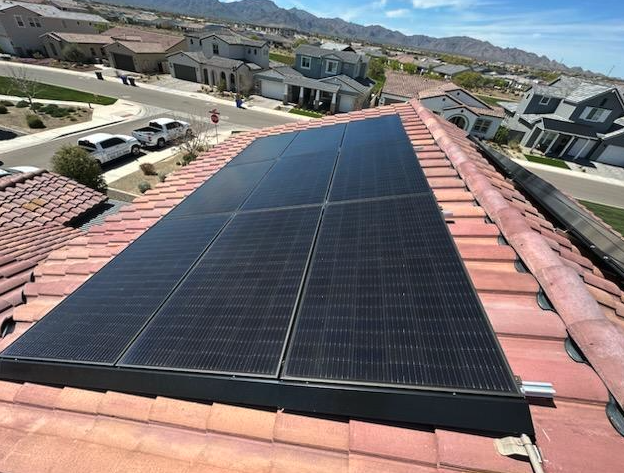
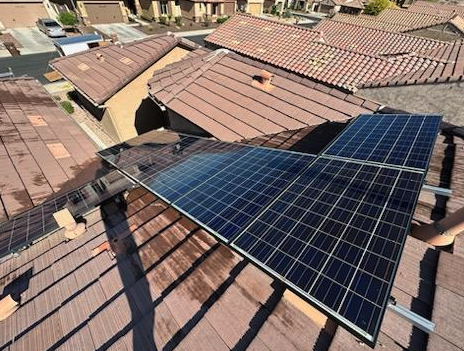
If you're in Scottsdale, Peoria, or the greater Phoenix area and want help with exterior maintenance that supports better drainage, roof-edge awareness, and cleaner property conditions, Sparkle Tech Window Washing LLC is a trusted local option. The team serves homeowners, businesses, and HOAs with window cleaning, screen services, and solar panel cleaning, with licensed and insured service and clear communication that makes property care easier.

Table of Contents

Get an instant estimate

Maintain your investment!

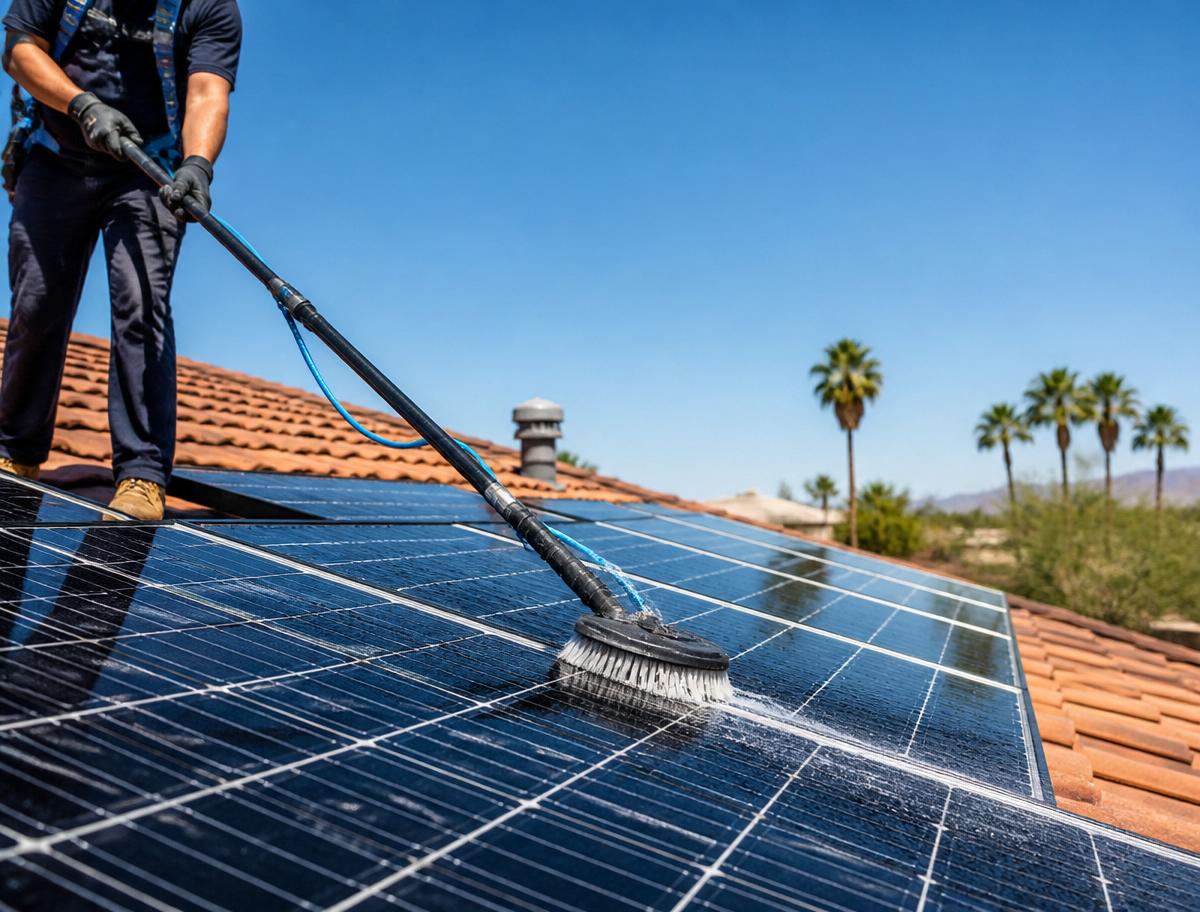
We understand the impact that dust and dirt accumulation can have on the efficiency of your solar panels. That’s why we offer superior cleaning services to ensure your solar panels operate at their maximum capacity.

Our experienced technicians adhere to strict safety protocols while cleaning your solar panels, ensuring your system remains intact and functioning optimally.

Improve your airflow!

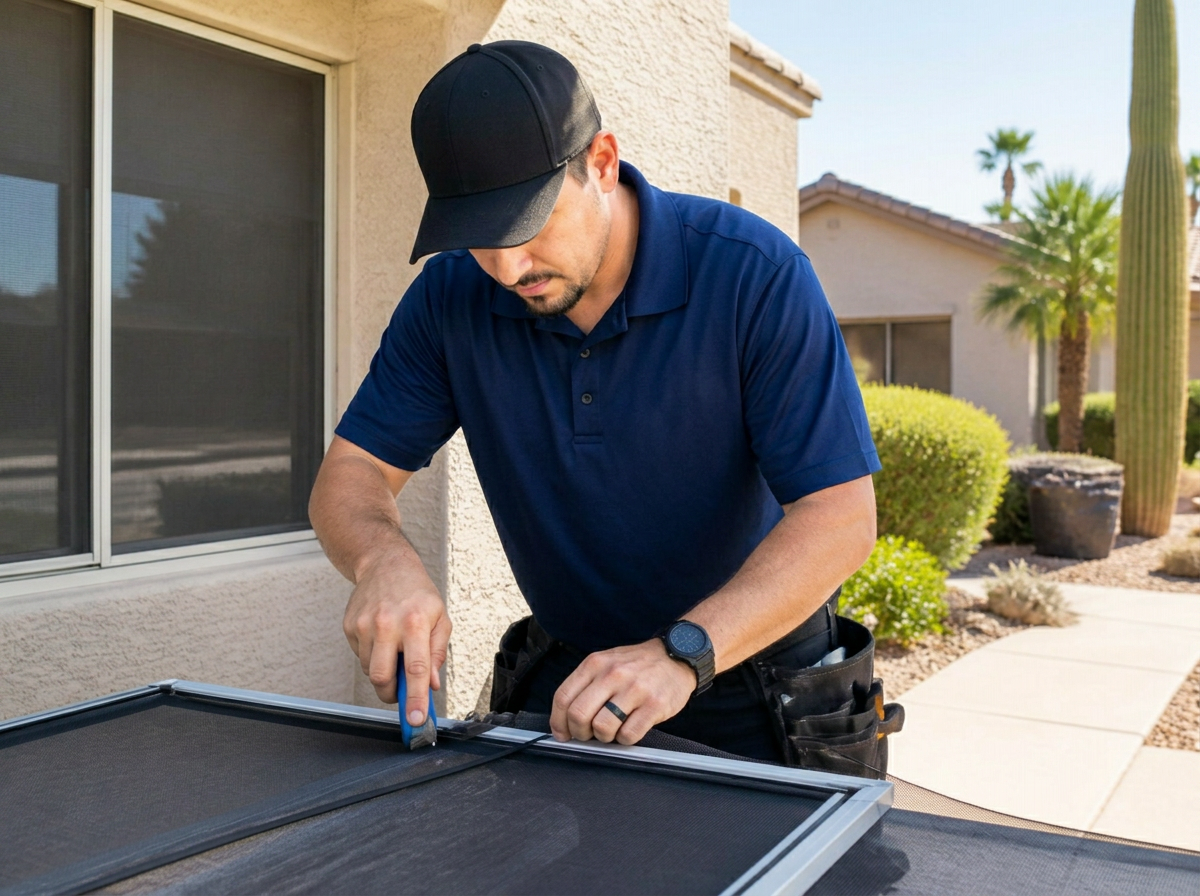
Are your window screens torn or missing, leaving openings for pests to invade your home? Are they also covered in dust and dirt, hindering your view and airflow? This common problem can often be overlooked until it’s too late, leading to uninvited guests, potential damage, and obstructed views.

That’s where Sparkle Tech Window Washing comes in. Our professional team not only offers top-quality window screen installation and repair services, but we also specialize in professional window screen cleaning. We handle everything from installing and restoring sun, solar, and bug screens to cleaning your screens, ensuring you have secure, clean, and properly fitted window screens that keep pests out, let fresh air in, and enhance your view. We also provide rescreening.

Illuminate your world with sparkling windows!

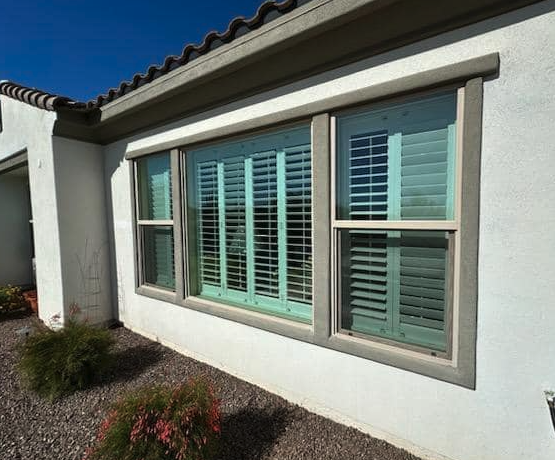
Sparkle Tech Window Washing offers superior window cleaning services for both residential and commercial properties. Our dedicated team of professional window cleaners is committed to providing exceptional service, ensuring your windows are clean and clear.

We use advanced techniques to remove dirt and grime from your window panes. We pride ourselves on our attention to detail and customer satisfaction. Experience the difference with Sparkle Tech Window Washing!