

Owning a home in the Phoenix area presents a unique set of challenges. From intense summer heat and powerful monsoon storms to the fine desert dust that covers everything, our environment demands a vigilant and proactive approach to home care. Skipping routine upkeep is a direct path to expensive repairs, high energy bills, and a decrease in your property’s value. This is where a structured annual home maintenance checklist becomes your most valuable tool, not just a list of chores but a strategic plan for asset protection.
This guide provides a detailed, season-by-season plan created specifically for the needs of Phoenix, Scottsdale, and Peoria homeowners and property managers. It moves beyond generic advice to offer actionable steps for our specific climate. We will cover everything from prepping your HVAC system for triple-digit temperatures to ensuring your windows are sealed and protected against haboobs.
Following this checklist will help you maintain a safe, efficient, and beautiful property throughout the year. We’ll detail which tasks are crucial each season, what you can do yourself, and when it’s best to call a professional. You’ll learn how to inspect your roof after a monsoon, maintain your irrigation system during dry spells, and keep your solar panels and windows performing at their best to maximize energy efficiency and curb appeal. Let's dive into the essential tasks that will protect your investment from the harsh desert elements.
1. Spring Prep (March-May): Gearing Up for the Heat
As the desert landscape blooms, your home requires a critical tune-up to prepare for the intense summer ahead. This season is about proactive measures to ensure cooling systems, water management, and home exteriors are ready to withstand extreme heat and the initial dust storms. Focusing on these tasks now prevents mid-summer emergencies and sets the foundation for a comfortable and efficient home, a crucial first step in any annual home maintenance checklist.
HVAC System Tune-Up
Your air conditioner is the undisputed hero of a Phoenix summer. Before temperatures consistently climb into the triple digits, schedule a professional HVAC tune-up. An inspection in March or April can identify failing capacitors, low refrigerant levels, or dirty coils before they cause a complete system failure on a 115-degree afternoon.
- DIY Task: Change your air filters. This simple task improves airflow and system efficiency. Do it monthly during heavy use seasons.
- Professional Task: Schedule a full system inspection and cleaning. A technician will clean the condenser unit outside, check electrical connections, and verify refrigerant levels.
Expert Insight: A well-maintained AC unit not only ensures comfort but can also operate up to 15% more efficiently, directly lowering your summer electricity bills. Neglecting this step is one of the costliest mistakes a Phoenix homeowner can make.
Water and Irrigation Check
Spring is the perfect time to inspect your home’s irrigation system for leaks and proper function before the summer watering restrictions and intense heat arrive.
- Run each sprinkler zone and check for broken heads, clogged nozzles, or leaks that waste water and drive up bills.
- Inspect your pool's water level and equipment. A small leak can become a major issue when evaporation rates skyrocket in summer.
- Adjust your irrigation timer to align with local watering guidelines and the increasing needs of your landscape.
This proactive approach to water management conserves a precious resource and keeps your landscape healthy without excessive waste. It's a foundational part of preparing your property for the challenging summer months.
2. Window Screen Inspection, Repair, and Cleaning
Your window screens are a first line of defense, protecting your home from pests and debris while allowing for ventilation during cooler spring and monsoon evenings. In Arizona, the intense UV exposure and abrasive dust storms cause screen material to become brittle and frail. An annual inspection is a critical component of any annual home maintenance checklist, ensuring screens function correctly, look their best, and don't become an entry point for insects.
Screen Evaluation and Deep Cleaning
Over the year, screens accumulate a thick layer of desert dust, pollen, and pollutants that can restrict airflow and impact your home's appearance. A thorough cleaning in the spring removes this buildup, preparing your home for the seasons when you'll want to open your windows.
- DIY Task: Gently wash screens with a soft brush and mild soap. Avoid high-pressure sprayers, which can easily damage the delicate mesh.
- Professional Task: Schedule a professional screen cleaning service. Experts use specialized techniques and solutions to safely remove stubborn grime without stretching or tearing the material, a common problem with DIY attempts.
Expert Insight: Peoria homeowners have reported extending the functional life of their window screens by 2-3 years with consistent annual maintenance. Professional cleaning not only improves curb appeal but also prevents the accelerated decay caused by baked-on debris.
Damage Inspection and Repair
After cleaning is the perfect time to inspect each screen for damage. Small rips and tears can expand quickly under the stress of summer heat and monsoon winds, compromising their primary function of keeping pests out.
- Carefully check for holes, tears, bent frames, or detached splines (the rubber cord holding the screen in place).
- Address small tears immediately with a patch kit to prevent them from worsening.
- For larger damage, bent frames, or brittle material, professional repair or replacement is the most effective solution. Consider upgrading to more durable materials like pet-resistant or solar screens for added benefits.
This proactive step ensures your home remains secure from pests and maintains proper ventilation. For a detailed look at repair options, you can explore professional window screen repair services that can restore your screens to optimal condition.
3. Gutter Cleaning and Inspection
While Arizona is known for its dry climate, the intense and sudden downpours of monsoon season can overwhelm a neglected gutter system. Annual removal of leaves, sediment, and debris is essential for proper water drainage, protecting your roof, foundation, and landscaping from costly damage. This task is a non-negotiable part of any annual home maintenance checklist for Phoenix-area homeowners, as clogged gutters can quickly lead to severe water intrusion and foundational issues.
Pre-Monsoon Debris Removal
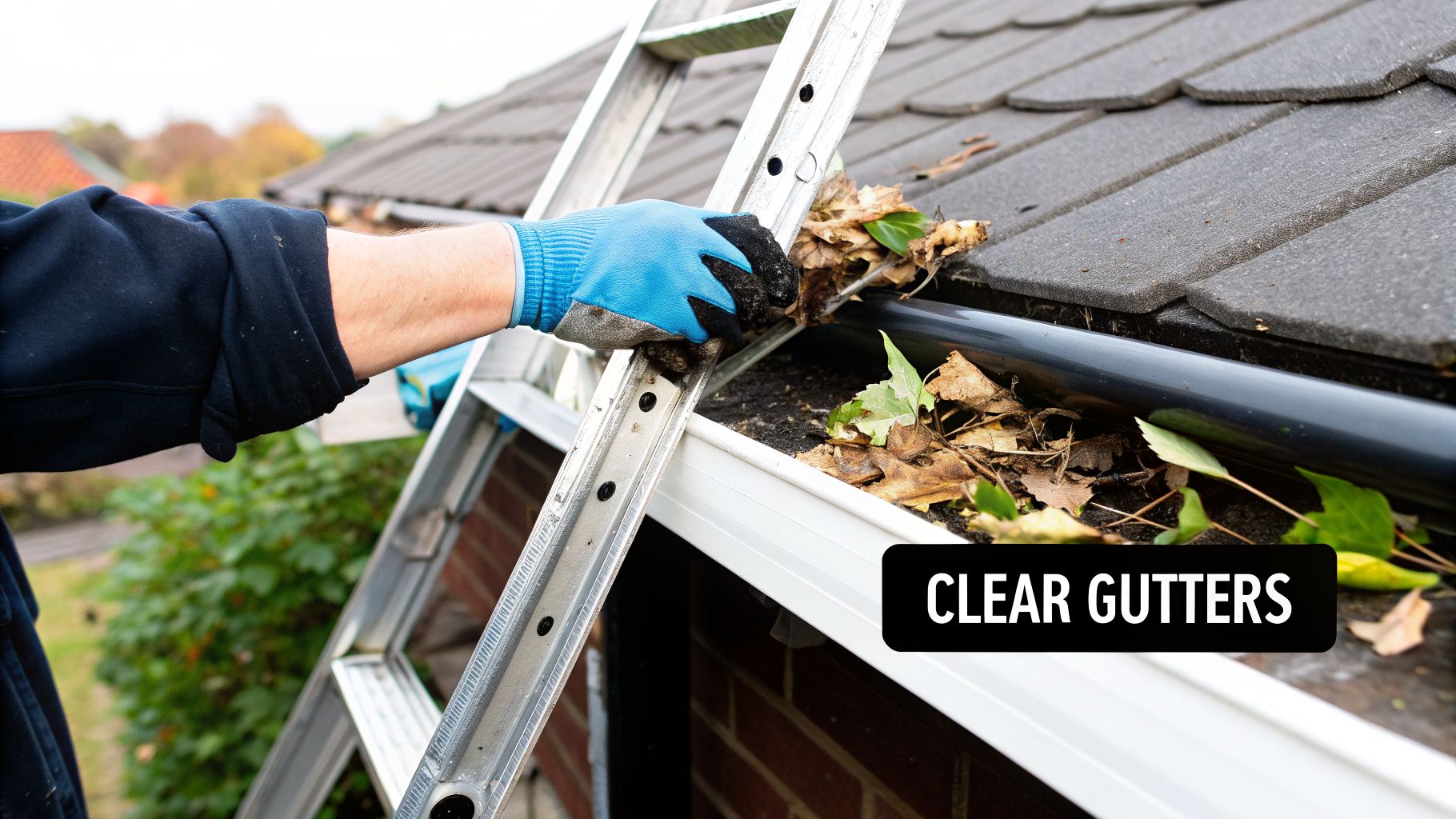
The period just before monsoon season (June-July) is the most critical time to ensure your gutters are clear. A single intense storm can dump a massive amount of water onto your roof, and if gutters are blocked, that water will overflow, potentially seeping under roof tiles, damaging fascia boards, and saturating the soil directly against your home’s foundation.
- DIY Task: For single-story homes, safely use a ladder, gloves, and a scoop to remove all debris. Flush the gutters and downspouts with a hose to check for blockages.
- Professional Task: Hire a professional for multi-story homes or if you are uncomfortable with heights. They can efficiently and safely clean the entire system and spot potential issues you might miss.
Post-Leaf Fall Cleaning & Inspection
A second cleaning in late fall or early winter removes fallen leaves and prepares your home for any winter rains. This is also an ideal time for a detailed inspection of the gutter system itself.
- Check for any signs of sagging, which indicates the hangers may be failing or loose.
- Look for leaks at the seams or corners, which often require sealant to be reapplied.
- Ensure downspouts effectively direct water at least five feet away from the foundation. If they don't, consider adding extensions.
- Consider installing gutter guards to reduce the frequency of cleanings, especially if your property has many trees.
Expert Insight: Many Scottsdale and Peoria homeowners who invest in biannual gutter maintenance successfully avoid water damage repairs that can easily exceed $5,000. Consistent upkeep is a small investment that protects your home’s structural integrity against the powerful force of monsoon rains.
4. Roof Inspection and Minor Repairs
Your roof is the first line of defense against the harsh Phoenix elements, from intense UV radiation to powerful monsoon downpours. The unforgiving sun and summer heat accelerate the degradation of roofing materials, making an annual professional inspection a non-negotiable part of your home care plan. Identifying and addressing minor issues like missing shingles or damaged flashing in the spring prevents catastrophic water damage, mold growth, and expensive interior repairs later.
Professional Roof Assessment
Before the monsoon season arrives, typically in March or April, it’s critical to have a qualified roofer evaluate your roof's condition. They are trained to spot subtle signs of wear and tear that an untrained eye might miss, such as cracked underlayment, compromised seals around vents, or tile slippage. This early detection is a cornerstone of a successful annual home maintenance checklist.
- DIY Task: Visually inspect your roof from the ground with binoculars. Look for obvious signs of damage like missing tiles, lifted shingles, or debris accumulation in valleys. Note any areas of concern to discuss with a professional.
- Professional Task: Schedule a comprehensive roof inspection. A professional will walk the roof to check for structural integrity, flashing issues, and the condition of the roofing material itself. Many Paradise Valley homeowners have used these inspections to identify problems before summer storms hit.
Expert Insight: Ask for a detailed written report complete with photos of any problem areas. This documentation is invaluable for insurance purposes and provides a clear action plan for necessary repairs. Homeowners in Surprise, Arizona, have successfully used these reports to validate their roof's condition for both insurance claims and home resale.
Timely Repairs and Documentation
Once the inspection is complete, addressing any identified issues promptly is key. A small, inexpensive repair in the spring can prevent thousands of dollars in water damage during a single monsoon storm. Proactive maintenance preserves your home's value and provides peace of mind.
- Address any missing shingles or damaged flashing immediately to prevent water intrusion.
- Have a licensed roofer perform all repairs to ensure they are done correctly and to code.
- Keep detailed records of all inspections and repairs. This documentation is a significant asset when it comes time to sell your home, demonstrating a history of diligent upkeep.
5. HVAC System Maintenance and Filter Replacement
In a climate where summer temperatures often exceed 115°F, your home's HVAC system isn't a luxury; it's a lifeline. This component of your annual home maintenance checklist focuses on the proactive servicing of your heating and air conditioning units. Regular professional maintenance ensures your system runs efficiently, prevents catastrophic failures during peak heat, and extends the lifespan of this significant investment, keeping your home safe and comfortable year-round.
Professional Servicing and Efficiency Checks
An HVAC system that is not properly maintained can lose about 5% of its efficiency each year. For a Phoenix homeowner, this translates directly into higher electricity bills and increased wear and tear. Scheduling service in the spring (March-April) allows a technician to address issues before the system is under constant strain.
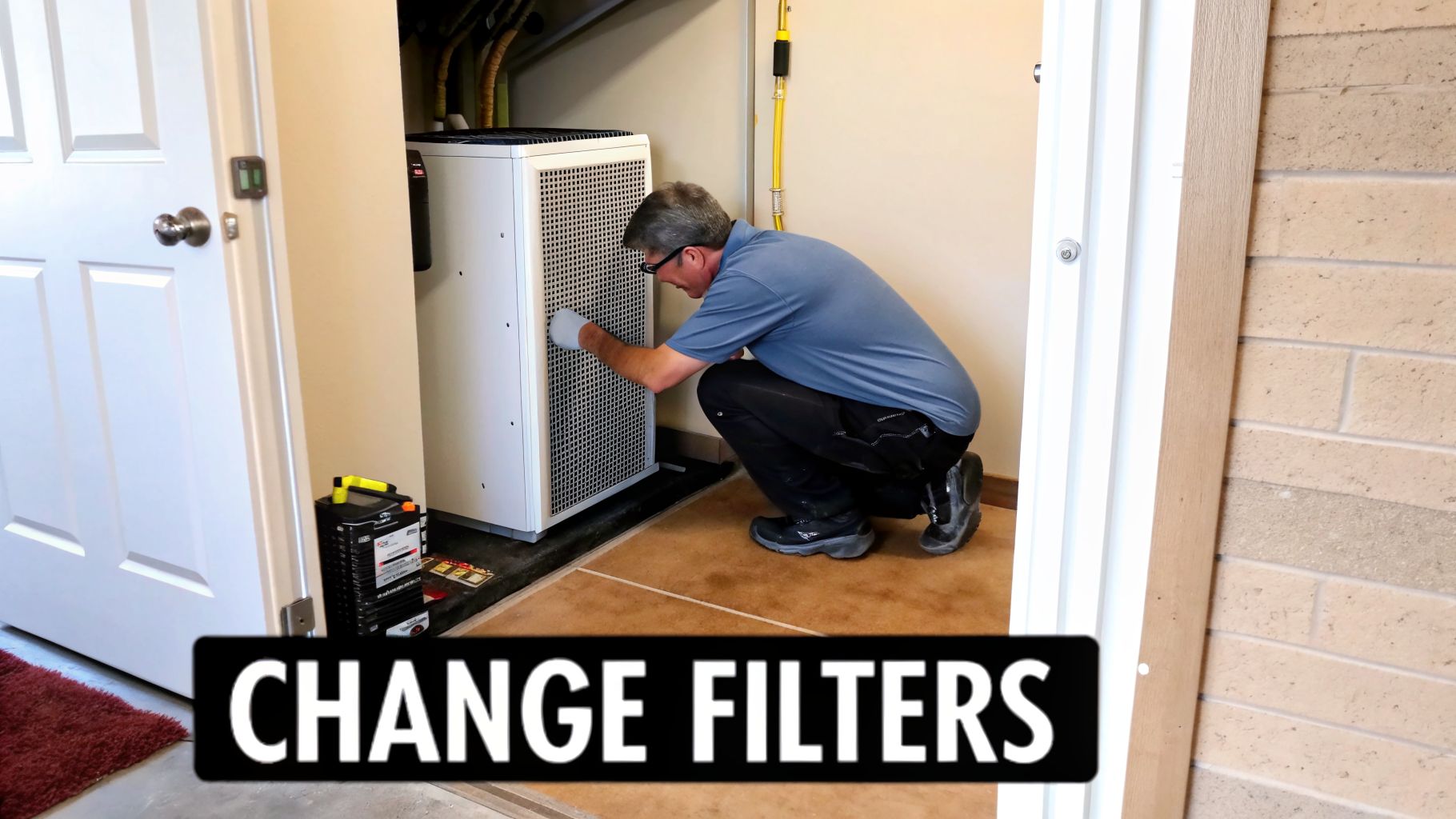
- DIY Task: Replace your air filters consistently. During Arizona’s dusty seasons and the high-use summer, this should be done monthly. A clogged filter restricts airflow, forcing the system to work harder and circulate dirty air.
- Professional Task: Book a comprehensive system tune-up. A certified technician will perform a deep cleaning of the indoor and outdoor coils, check refrigerant levels, test capacitors, and inspect all electrical components and connections.
Expert Insight: Preventative maintenance is a proven money-saver. Peoria property owners have avoided repair bills exceeding $2,000 by catching failing parts early, while many Phoenix homeowners report saving $200-$400 annually in energy costs from having a well-tuned system.
Monitoring and Record Keeping
Beyond the annual service call, staying vigilant about your system’s performance is key. Small changes can signal a developing problem that is best addressed sooner rather than later.
- Keep a close eye on your monthly energy bills. A sudden, unexplained spike is often the first sign of declining HVAC efficiency.
- Listen for unusual noises like grinding, squealing, or excessive rattling, which can indicate mechanical problems.
- Maintain a detailed log of all service appointments and repairs. These records are invaluable for warranty claims and can be a significant selling point when putting your home on the market.
6. Solar Panel Cleaning and Maintenance
For Phoenix-area homeowners who have invested in solar energy, panel maintenance is not an optional task; it is a direct factor in your return on investment. The constant exposure to desert dust, bird droppings, urban pollution, and hard water minerals creates a film that significantly obstructs sunlight. Without regular, professional cleaning, this layer of grime can reduce your system's efficiency by 15-25%, negating much of the financial and environmental benefits you expect from your solar array.
Panel Cleaning and System Inspection
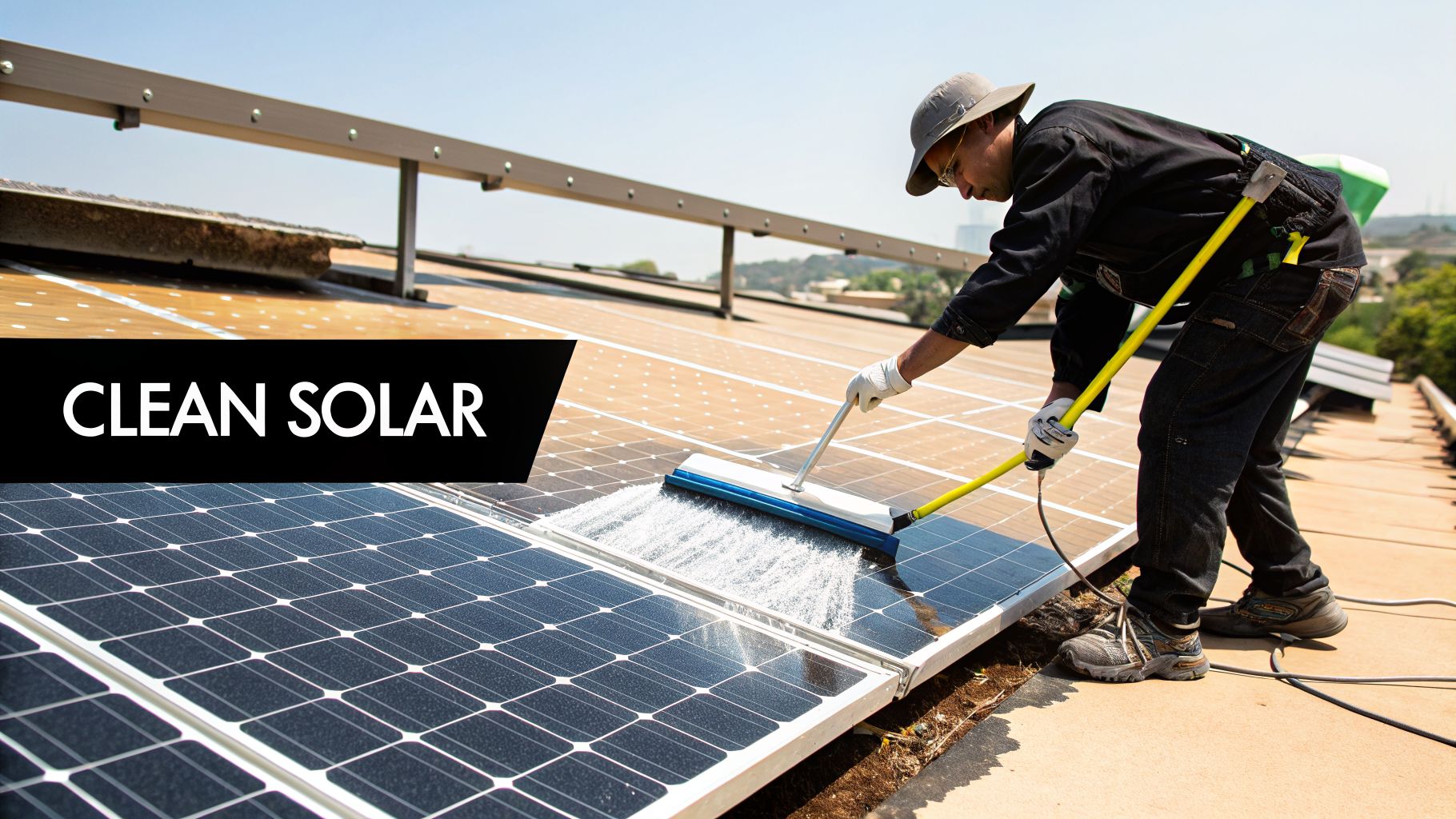
Ensuring your solar panels operate at their highest capacity requires more than a simple rinse with a garden hose, which often leaves behind hard water spots. Professional cleaning uses specialized techniques to restore performance without damaging the panel surfaces. This is a critical item on any annual home maintenance checklist for solar-equipped properties.
- DIY Task: Monitor your energy production through your system's app. A noticeable dip in output that isn’t related to cloudy weather is a strong indicator that your panels need cleaning.
- Professional Task: Schedule a cleaning service that uses soft-bristle, non-abrasive tools and purified, deionized water. This prevents scratching and mineral buildup. During the service, the technician should also inspect panel mounting and connections for any signs of wear or damage. For a deeper understanding of proper care, you can learn more about how to maintain solar panels.
Expert Insight: Scottsdale and Paradise Valley homeowners often report an immediate energy production increase of over 20% following a professional cleaning. By scheduling service in the spring (March-April) and fall (October), you maximize efficiency ahead of and after the most intense seasons of sun and dust.
Maximizing Your Solar Investment
Regular maintenance is the key to protecting your solar panel system, which is a significant asset for your home. Clean panels not only produce more electricity but also have a longer functional lifespan, as dirt and debris can cause permanent damage over time.
- Track energy production before and after cleaning to quantify the improvement and calculate your ROI.
- For commercial properties in areas like Peoria, maintaining peak performance is essential for maximizing energy credits and reducing operational costs.
- A clean, well-maintained solar array also boosts curb appeal and property value, showing potential buyers that the home has been meticulously cared for.
By incorporating this task into your yearly schedule, you ensure your solar system delivers the clean energy and cost savings it was designed to provide.
7. Exterior Caulking and Sealant Inspection
Your home’s first line of defense against water damage, pests, and air leaks is the thin bead of sealant around its windows, doors, and trim. In Arizona, where daily temperature swings can exceed 40 degrees and UV radiation is relentless, this caulk degrades quickly. An annual inspection and touch-up is a non-negotiable part of any Phoenix annual home maintenance checklist, preventing costly future repairs.
Inspect for Degradation
The intense sun bakes exterior sealants, causing them to become brittle, crack, and pull away from the surfaces they are meant to protect. These seemingly small gaps become superhighways for moisture during monsoon storms, leading to wood rot, stucco damage, and potential mold growth inside your walls. A thorough visual check is the first step.
- DIY Task: Walk the perimeter of your home and carefully examine the caulking around every window frame, door, and plumbing or electrical penetration. Look for visible cracks, gaps, or areas where the sealant is peeling or missing entirely.
- Professional Task: Combine this inspection with another service. When a professional team like Sparkle Tech is on-site for window cleaning, they can perform a detailed sealant inspection, identifying problem areas you might miss from the ground.
Expert Insight: Many Phoenix-area homeowners trace expensive water damage and mold remediation back to failed exterior caulk. Investing a small amount in sealant replacement can prevent thousands of dollars in structural repairs down the line.
Seal for Energy Efficiency
Beyond preventing water intrusion, intact caulking is essential for maintaining your home's energy efficiency. Gaps and cracks allow hot summer air to infiltrate your home and conditioned cool air to escape, forcing your HVAC system to work harder and driving up utility bills. Properly sealing these gaps is a direct investment in lowering your cooling costs.
- Choose a high-quality, 100% silicone or advanced polymer caulk rated for extreme temperatures and UV exposure.
- For best results, completely remove old, failed caulk before applying a new, clean bead.
- Schedule this task before the monsoon season begins to ensure your home is fully protected from heavy rains.
8. Landscape and Irrigation System Inspection
In a region where water conservation is paramount, your landscape's irrigation system can be either a model of efficiency or a significant source of waste. With outdoor watering accounting for over half of residential water use in Arizona, an annual inspection is not just good practice; it's a financial and environmental necessity. This detailed evaluation ensures every drop is delivered effectively, preventing costly leaks, over-watering, and damage to your valuable landscape.
Sprinkler and Drip Line Evaluation
A systematic check of your entire irrigation network is the core of this maintenance task. Small issues like a broken sprinkler head or a disconnected drip line can waste thousands of gallons of water over a season, leading to brown spots in your lawn, stressed plants, and shockingly high water bills.
- DIY Task: Manually run each irrigation zone for a few minutes. Walk the property and look for geysers from broken heads, misaligned spray patterns hitting sidewalks, or pooling water that indicates a leak.
- Professional Task: Hire an irrigation specialist to perform a comprehensive audit. They can check water pressure, identify hidden underground leaks, and ensure your drip emitters are functioning correctly for each plant's specific needs.
Expert Insight: Phoenix-area homeowners who repair even minor irrigation system leaks can save an average of 30-50 gallons of water per day. Over a year, that's more than 10,000 gallons saved, directly impacting both your utility bill and the region's water supply.
Timer and System Optimization
Your irrigation timer is the brain of the operation, and it requires seasonal adjustments to be effective. Setting it once and forgetting it is a common mistake that leads to inefficient watering, especially as temperatures and municipal guidelines change throughout the year.
- Check your timer's battery backup to prevent it from losing its program during a power outage.
- Reprogram your watering schedule at least twice a year. Water less frequently but more deeply in the cooler months and adjust for the intense heat of summer, always adhering to local watering restrictions.
- Consider upgrading to a "smart" irrigation controller that automatically adjusts watering schedules based on real-time weather data, a key step in any modern annual home maintenance checklist.
This proactive approach keeps your Paradise Valley or Scottsdale property looking lush while complying with water conservation ordinances and demonstrating responsible stewardship of our most precious resource.
9. Exterior Paint and Stain Inspection and Touch-ups
The relentless Arizona sun, delivering over 300 days of intense UV radiation annually, acts as a constant threat to your home's exterior paint and finishes. This isn't just a cosmetic concern; your paint is the first line of defense against moisture, pests, and structural decay. An annual inspection is a critical part of your home maintenance routine, preventing minor issues from becoming large, expensive repairs. It's a key task that protects your investment and maintains its value.
Siding, Trim, and Fence Evaluation
Fading, peeling, and blistering paint are early warning signs that your home's protective barrier is failing. In areas like Peoria, where newer homes feature extensive woodwork and stucco, this annual checkup is vital to prevent wood rot and water intrusion before the monsoon season arrives.
- DIY Task: Walk your property in the spring after the winter chill has passed. Look closely at south- and west-facing walls, as they receive the most sun exposure. Check window sills, door frames, and fascia boards for cracks or peeling.
- Professional Task: For hard-to-reach areas or extensive fading, consider a consultation with a painting contractor. They can assess the paint's remaining lifespan and recommend specific UV-resistant products designed for the desert climate.
Expert Insight: Addressing a small area of peeling paint with a simple scrape, prime, and touch-up can cost a fraction of what it would to repair the underlying wood or stucco damage that moisture will inevitably cause. This preventative step is a cornerstone of a smart annual home maintenance checklist.
Metal and Stucco Surface Protection
Protecting metal gates, railings, and stucco walls is equally important for maintaining your property's integrity and curb appeal. Small scratches or chips on metal surfaces can quickly lead to rust, which spreads and weakens the material. Similarly, cracks in stucco can allow water to seep in, compromising the structure.
- Inspect all exterior metal for scratches or signs of rust. Sand down any affected areas and apply a rust-inhibiting primer and matching paint.
- Check stucco for hairline cracks, especially around windows and doors. Small cracks can be filled with an appropriate elastomeric sealant to prevent water intrusion.
- Documenting your home's exterior condition with annual photos can be valuable for both insurance claims and for showcasing diligent maintenance to potential buyers.
10. Foundation and Exterior Wall Crack Inspection
While many focus on what's visible, the unseen support system of your home deserves just as much attention. The unique expansive clay soil common in Arizona, combined with dramatic monsoon moisture cycles, puts constant stress on your home's foundation. An annual inspection of your foundation and exterior walls is a non-negotiable part of any Phoenix annual home maintenance checklist, designed to catch minor issues before they become catastrophic structural failures.
Structural Integrity Assessment
The ground beneath your home is not static; it swells with monsoon rains and shrinks during dry periods, causing movement that can lead to cracks. A formal inspection helps distinguish between minor cosmetic settling and significant structural problems that threaten your property's stability and value. Homes in Scottsdale have avoided costly foundation repairs by using annual monitoring to track crack progression and address root causes early.
- DIY Task: After the monsoon season ends (around October), walk your property's perimeter. Photograph and measure any cracks in the foundation or exterior stucco walls. Keep a log to compare year over year.
- Professional Task: Hire a structural engineer or foundation specialist to perform a comprehensive assessment. They can identify the cause of cracks, check for signs of water intrusion in basements or crawl spaces, and evaluate the drainage around your home.
Expert Insight: Small, hairline cracks can often be sealed to prevent water intrusion. However, stair-step cracks in block walls, horizontal cracks, or cracks wider than a quarter-inch often indicate significant pressure or settling that requires immediate professional evaluation to prevent further damage.
Drainage and Water Management
Improper water flow is a primary cause of foundation issues. When water pools against your foundation, it saturates the soil, increasing pressure and leading to bowing or cracking walls. This is a common issue in Peoria, where proper drainage assessment is key to preventing water damage.
- Ensure all gutters and downspouts are clear of debris and direct water at least five to ten feet away from the foundation.
- Check that the soil grade around your home slopes away from the walls, preventing water from collecting at the base.
- Monitor for signs of poor drainage, such as perpetually damp soil or standing water near the foundation after a storm.
Addressing drainage problems is often a more effective and less expensive solution than repairing the foundation damage they cause. This proactive step protects your home’s structural integrity for the long term.
10-Point Annual Home Maintenance Comparison
| Item | 🔄 Implementation Complexity | ⚡ Resource Requirements & Cost | ⭐ Expected Outcomes | 📊 Results / Impact | 💡 Ideal Use Cases / Tips |
|---|---|---|---|---|---|
| Interior and Exterior Window Cleaning | Medium — simple for single-story, higher for multi-story | Professional equipment (ladders, water-fed poles), eco cleaners; moderate cost | Streak-free glass, removed mineral deposits, longer window life | Improved natural light and curb appeal; reduced deterioration | Schedule early morning/late afternoon; twice-yearly in dusty climates; before sale |
| Window Screen Inspection, Repair, and Cleaning | Low–Medium — straightforward inspections, some repairs need skill | Basic repair kits, replacement mesh; low–moderate cost and time-intensive for many screens | Restored airflow, repaired tears, better pest prevention | Delays full replacements; improves ventilation and comfort | Service April–May; fix small tears immediately; consider pet-resistant materials |
| Gutter Cleaning and Inspection | Medium — ladder work, debris removal; safety required | Ladders, safety gear, disposal; moderate cost; may be twice-yearly | Clear drainage, prevented overflow, reduced roof/foundation risk | Avoids water damage repairs; reduces pest nesting and erosion | Clean Spring & Fall; inspect slope and downspouts; consider gutter guards |
| Roof Inspection and Minor Repairs | High — safety hazards and trained inspectors required | Professional roofer, inspection tools, repair materials; variable cost | Early detection of missing/damaged shingles and flashing issues | Prevents interior water damage; extends roof life; supports insurance claims | Inspect Mar–Apr before monsoon; request photo report and prompt repairs |
| HVAC System Maintenance and Filter Replacement | Medium — certified technician recommended | HVAC technician, filters, coils service; $150–$300 annually typical | Improved cooling efficiency, extended system life, better air quality | Lowers energy bills (~15–20%); reduces summer breakdown risk | Service Mar–Apr; change filters monthly during dust season; keep records |
| Solar Panel Cleaning and Maintenance | Medium — specialized cleaning and rooftop safety | Soft brushes, deionized/distilled water, trained crew; $150–$300 | Restored panel efficiency, prevented corrosion and soiling damage | Increases output ~15–25% in dusty climates; improves ROI | Clean Spring & Fall; use non‑abrasive methods; monitor before/after output |
| Exterior Caulking and Sealant Inspection | Low–Medium — skillful application but limited scope | Quality caulk (100% silicone), applicator tools; low cost | Sealed gaps, reduced air/water infiltration, less mold risk | Cuts HVAC losses and prevents water damage if done timely | Inspect annually; replace before monsoon; use heat‑rated silicone |
| Landscape and Irrigation System Inspection | Medium — technical diagnosis and seasonal adjustments | Irrigation specialist, replacement heads/lines, timer programming; variable cost | Even water distribution, leak detection, optimized schedules | Reduces water bills 20–30%; prevents landscape loss and waste | Inspect before spring; reprogram timers; consider drought‑tolerant plants |
| Exterior Paint and Stain Inspection and Touch-ups | Medium — assessment easy, quality touch‑ups require skill | Exterior‑grade paint/stain, UV‑resistant products, painter labor; cost varies | Restored protection and appearance; prevented wood degradation | Extends exterior lifespan (~5+ years); preserves curb appeal | Inspect in spring; touch up early; use UV‑resistant materials |
| Foundation and Exterior Wall Crack Inspection | High — may require structural engineer and invasive repairs | Structural assessment, possible excavation, drainage solutions; high cost risk | Identified settling, water intrusion, pest entry points | Prevents major foundation repairs ($10,000+); protects structural integrity | Inspect after monsoon (Oct); document cracks annually; ensure proper drainage |
Year-Round Excellence with Professional Support
Navigating the demands of homeownership in the Phoenix area requires more than just occasional fixes; it calls for a proactive, structured approach. This comprehensive annual home maintenance checklist serves as your strategic guide, transforming the often-overwhelming task of property care into a manageable, season-by-season plan. By addressing everything from your HVAC system's monsoon readiness to the integrity of your exterior caulking against the intense desert sun, you are not just performing chores. You are actively preserving your property's value, enhancing its safety, and ensuring your personal comfort year-round.
The true power of this checklist lies in its preventative nature. Catching a small crack in your foundation or a deteriorating window screen before it becomes a major problem saves you from costly emergency repairs and significant stress. It’s the difference between a simple, affordable screen repair and dealing with a pest infestation, or between routine gutter cleaning and facing water damage during a rare downpour. Each task, from inspecting your roof to cleaning your solar panels, is a deliberate investment in your home's long-term health and performance.
The Smart Balance: DIY Diligence and Professional Expertise
While many homeowners in Scottsdale and Peoria can tackle tasks like changing an HVAC filter or touching up exterior paint, it is crucial to recognize the limits of a DIY approach. Certain maintenance items demand specialized skills, tools, and an understanding of safety protocols that only trained professionals possess. This is where a hybrid strategy becomes invaluable.
Consider the critical tasks we’ve outlined:
- Window and Solar Panel Cleaning: Achieving a truly streak-free finish that also protects the glass and maximizes solar efficiency is a professional skill. Experts like Sparkle Tech use purified water systems and proper techniques to deliver superior, long-lasting results without risking damage to your property.
- Screen Repair and Replacement: Properly tensioning a new screen or repairing a frame requires specific tools and know-how. A professional service ensures a perfect fit, which is essential for keeping pests out and maintaining your home's curb appeal.
- Roof and Gutter Inspections: Safely accessing and evaluating a roof is a job best left to the insured and experienced. Professionals can spot subtle signs of damage that an untrained eye might miss, preventing leaks and structural issues before they begin.
Integrating professional services into your annual home maintenance checklist is not an admission of defeat; it is a smart allocation of resources. By entrusting complex or dangerous tasks to qualified experts, you free up your own time and energy while guaranteeing the job is done correctly and safely. This partnership allows you to focus on the manageable aspects of home care, confident that the critical systems are in expert hands. Ultimately, this balanced approach ensures your home remains a resilient, comfortable, and beautiful sanctuary against the challenging Arizona climate.
Your home is your most significant investment. Let the experts help you protect it. For crystal-clear views, perfectly maintained screens, and peak solar panel performance, partner with Sparkle Tech Window Washing LLC. We handle the difficult exterior tasks on your annual home maintenance checklist so you can enjoy your beautiful Phoenix home, worry-free. Schedule your service today and see the difference professional care makes.