


Your open house is a job interview for your home. A buyer pulls up, steps onto the driveway, looks at the front windows, the roofline, the entry, and the way the light hits the glass. Before they’ve spoken to your agent, they’ve already decided whether the house feels cared for or like work. In the Phoenix area, that first impression gets shaped fast by sun, dust, hard water, faded screens, and how bright the home feels the second someone walks inside.
That’s why a strong open house checklist for sellers can’t stop at decluttering a few counters and hiding the dog bowls. It has to focus on the details buyers respond to in Scottsdale, Peoria, Paradise Valley, and the rest of the Valley. Bright rooms matter. Clean sightlines matter. Exterior glass matters. So do repaired screens, mineral stain removal, and making sure buyers can see the patio, pool, mountain view, or backyard without a film of dust between them and the feature you’re trying to sell.
A Zillow study cited by UPrinting’s open house checklist found that 72% of sellers in urban areas use open houses in their marketing, even though only 2% of homes sell directly from them. That lines up with what sellers often miss. The open house itself may not be the whole sale, but it creates buzz, follow-up conversations, second showings, and buyer confidence.
If you’re getting your house ready now, start with the practical stuff that changes how the home shows in person and online. For a broader prep timeline, this house sale preparation guide is a useful companion. What follows is the shortlist I’d prioritize first when a Phoenix-area seller wants the house to feel cleaner, brighter, and more valuable the moment buyers arrive.
1. Professional Window and Glass Cleaning
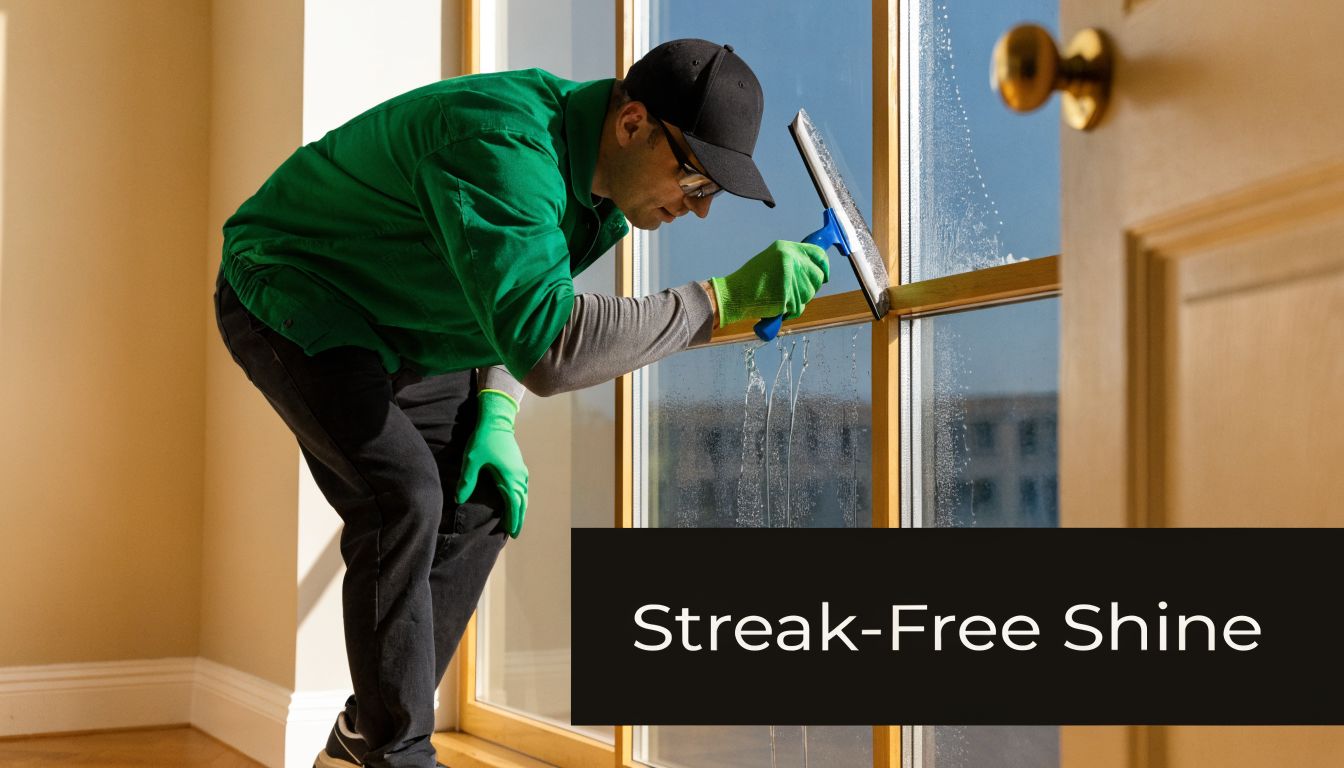
If I had to move one task to the top of nearly every open house checklist for sellers, it would be window cleaning. In Phoenix, dusty glass dulls everything. Buyers may not say, “the windows are the problem,” but they’ll absolutely say the house feels dim, tired, or less polished.
In this market, sunlight is part of the product. If the glass is streaked, spotted, or hazy, the home loses one of its strongest assets before a buyer ever studies the kitchen or floor plan.
Why clean glass changes the showing
Natural light is one of the most consistent compliments at a successful open house. In Phoenix and Scottsdale, that matters even more because buyers expect bright interiors, clear backyard views, and glass that doesn’t fight the sun. When windows are professionally cleaned, rooms photograph better, feel larger in person, and look cared for without any staging trick.
The sellers who get this right also time it correctly. They don’t clean too early, then let landscaping dust or fingerprints undo the work. They schedule it close enough to the event that the house still looks fresh on showing day.
Practical rule: Make window cleaning one of the last prep tasks, not one of the first.
What to ask for
A proper service should cover more than the obvious front windows. You want interior glass, exterior glass, and attention to the glass buyers notice at eye level the second they enter.
- Request inside and outside cleaning: Exterior-only work won’t fix film, dog nose prints, or fingerprints on sliders.
- Prioritize main living areas: Front-facing rooms, the kitchen, and the primary suite usually shape the strongest buyer reaction.
- Ask about technique: If you want to understand what separates a quick wipe-down from a polished result, review this guide on how to clean windows professionally.
- Schedule around other trades: Don’t have windows done before painters, yard crews, or pressure washing crews.
A common real-world mistake is spending on staging while leaving haze on the largest panes in the house. Buyers then notice the décor, but the room still feels flat. Clean glass isn’t glamorous, but it changes the quality of light in a way buyers respond to immediately.
2. Clean and Repair Window Screens
Screens are one of those details sellers stop seeing because they live with them every day. Buyers don’t. They notice bent frames, trapped dust, torn mesh, and sliders that scrape when opened. In the desert, neglected screens read as deferred maintenance fast.
This matters more than people think. A broken screen suggests the same question buyers ask about everything else: if this wasn’t handled, what else wasn’t handled?
What buyers read from bad screens
In Scottsdale and Peoria, screens sit in full sun and collect fine dust. If they’re dirty, they mute the view from inside. If they’re torn, they make the home feel older even when the interior is nicely updated. If the patio screen door sticks, buyers feel friction in a place that should feel easy and open.
A good seller fixes the visible screens first, especially on the front elevation, rear sliders, and windows framing the backyard or patio. Those are the ones buyers engage with.
Torn screens are small defects with oversized psychological impact. They make buyers start scanning for other shortcuts.
What to inspect before the open house
Start this task earlier than window cleaning. Screen repair can take planning, especially if frames need replacement or a slider needs adjustment.
- Check for tears and bent frames: Replace damaged mesh instead of pretending buyers won’t notice.
- Clean the mesh thoroughly: Dusty screens make clean glass look dirty from inside.
- Test movement on sliders: A sticking patio screen feels like neglect, even if the door itself works.
- Look from the street and from inside: Some screens are more obvious from the curb, others become noticeable only when sunlight hits them indoors.
For Phoenix-area homes, functioning screens also support the idea that the home works with the climate. Buyers like homes that feel ventilated, shaded, and maintained for desert living. If your screens need work, this window screen repair service shows the kind of fix worth handling before photos and showings.
A seller once told me they were going to “leave the screens because buyers can replace them.” That’s exactly backward. Buyers don’t mentally discount tiny flaws one at a time. They stack them into a general sense that the house hasn’t been kept up.
3. Maximize Natural Light Through Strategic Window Cleaning
Some rooms don’t need more furniture. They need more light. In Phoenix homes, especially ones with neutral palettes, tile floors, and open-plan living areas, brightness changes the emotional read of the entire property.
The National Association of Realtors angle referenced in the research notes that buyers strongly prioritize natural light and views. That tracks with open house behavior. People linger in bright rooms. They move faster through dim ones.
Brightness starts before the buyer arrives
Strategic cleaning means thinking past “the windows are clean.” It means deciding which rooms carry the showing and making sure they present at their brightest. In most homes, that’s the kitchen, family room, breakfast area, and any room with oversized glass or a strong backyard connection.
Open every covering fully unless glare is extreme. Clean the frames and sills too. A spotless pane above a dusty sill still reads unfinished.
There’s also a timing component. If your open house is in peak afternoon light, you want glass cleaned and ready so the sunlight makes the room glow instead of exposing every streak.
Small adjustments that amplify light
A few practical moves make a bigger difference than extra lamps or decorative accessories.
- Clear the window line: Remove heavy décor, bulky plants, and anything blocking lower panes.
- Match the bulb color: If a dim room needs help, use clean, consistent bulbs instead of a random mix.
- Watch for reflected clutter: Glass reflects counters, cords, and crowded shelves. Decluttering opposite a window can make the whole room feel cleaner.
- Use light to guide flow: Buyers tend to move toward the brightest spaces. Make sure those spaces are the ones you want them to remember.
Showable’s reporting on post-open-house seller feedback highlights recurring patterns in buyer comments, including positives like natural light and negatives like dated features or problem areas. Their open house reporting guide is a useful reminder to treat buyer comments as a pattern, not a one-off opinion.
What doesn’t work is relying on scent, music, or décor to compensate for a dim home. Buyers may enjoy the atmosphere, but they still remember whether the house felt bright and open.
4. Address Hard Water Stains and Mineral Deposits
A Scottsdale seller can spend thousands on paint, staging, and landscaping, then lose ground because the back sliders still read cloudy at 2 p.m. sun. In the Phoenix area, that happens all the time.
Hard water buildup changes how buyers read the house. Mineral deposits from sprinklers, pool splash, and hose overspray can make glass look etched, aged, or permanently damaged. On an open house walkthrough, buyers do not stop to sort out whether they are seeing dirt, neglect, or failed glass. They just register that the view is dull and the home feels less cared for.
This matters more here because so many homes sell on indoor-outdoor living. If the rear windows and sliders facing the patio, pool, or mountain view are spotted, the whole showing loses some of its impact.
Treat staining as a separate prep item
Standard window cleaning often improves light dust and routine grime, but hard water usually needs different tools, more time, and sometimes restoration. Sellers should identify problem panes early so there is time to decide whether a basic clean is enough or whether the glass needs specialty treatment.
I tell Phoenix-area clients to inspect glass in angled sunlight, not just in morning shade. Mineral spotting hides in soft light and shows up fast once the sun hits it. Lower corners, fixed panels, and doors near irrigation lines are common problem areas.
Check the windows buyers notice last
Front windows matter, but the worst staining often shows up where sellers stop looking.
- Pool-facing glass: Repeated splash and evaporation leave a chalky film that stands out in direct sun.
- Sprinkler-hit windows: Side yards and lower exterior panes often collect the heaviest deposits.
- Bathroom and privacy windows: Mineral residue can build up outside where moisture and overspray meet.
- Large sliders and fixed panes: Wide glass surfaces make even light spotting more obvious.
If the staining is severe, ask a window pro one direct question. Is this removable buildup, or has the glass been permanently etched? That answer affects whether you clean, restore, or price around the issue.
The trade-off is simple. Specialty restoration costs more than a routine wash, but replacing buyer confidence after a bad first impression costs more.
If the house is freshly staged and the glass still looks cloudy, buyers feel the disconnect. Clean finishes suggest careful ownership. Mineral-stained windows suggest deferred maintenance.
Here’s a quick visual on the kind of issue Arizona sellers often face with mineral spotting and restoration:
5. Clean Solar Panels if Applicable
If your home has solar, buyers don’t just see roof equipment. They see a promise of efficiency, lower operating costs, and smart maintenance. Dirty panels undermine that story.
This is one of the few prep tasks that supports both appearance and credibility. A seller who maintains solar panels signals that the system was treated like an asset, not ignored until listing week.
Make the solar system look cared for
Panels gather dust quickly in the Phoenix area. A buyer may never climb up to inspect them, but they’ll ask about the system, review the records, and judge whether the house shows the habits of a careful owner. If the panels are visibly dusty from the street or upper windows, that confidence drops.
The strongest approach is simple. Clean the panels, organize the paperwork, and have the basics ready. Buyers respond well when a home feels documented and straightforward.
If you advertise solar, be prepared to support the claim with maintenance records and clear system information.
What to have ready for buyers
You don’t need a technical presentation. You do need clean equipment and usable information.
- Schedule panel cleaning before marketing photos and the open house: Buyers notice when the exterior roofline looks cared for.
- Gather maintenance records: Keep invoices, warranty info, and any service notes accessible.
- Prepare a short summary sheet: Include system age, ownership or lease status, and anything the buyer will ask in the first conversation.
- Coordinate with your agent: Make sure they know how to explain the system without guessing.
The research notes also flagged a practical point for desert markets. Dirty panels can become part of a larger impression that the seller deferred exterior maintenance. Even buyers who aren’t particularly focused on energy use still react to visible buildup on anything attached to the home.
What doesn’t work is mentioning solar in the listing and hoping buyers fill in the blanks. In an open house, uncertainty kills momentum. Clean systems and clean answers keep people engaged.
6. Create Crystal-Clear Views and Sightlines
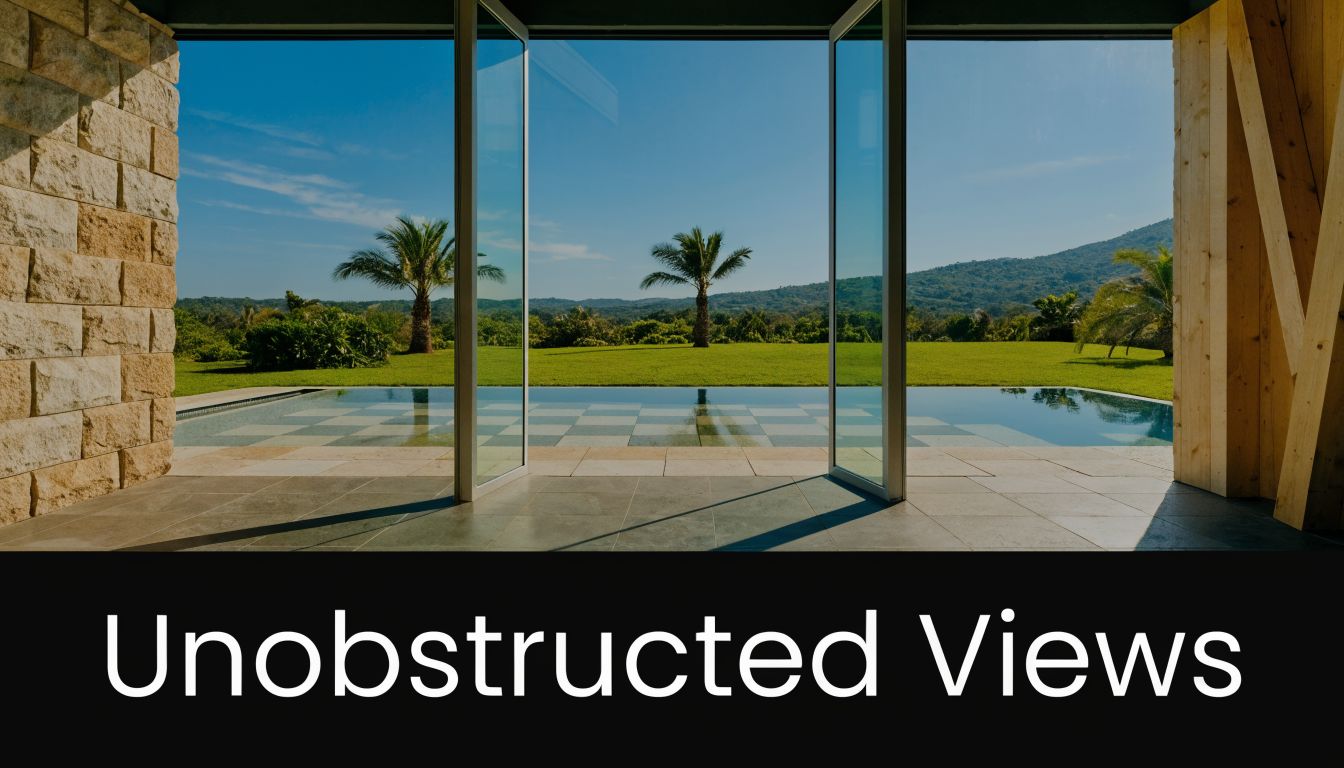
A view doesn’t sell itself. The glass has to get out of the way first. Many sellers often miss easy value by neglecting this, especially if they have a pool, mountain backdrop, golf course edge, mature landscaping, or even just a neat patio that extends the living space.
When buyers stand in your great room, they shouldn’t have to mentally subtract streaks, screen dust, or reflected clutter to appreciate the yard.
Frame what buyers should notice
Think like a stager. The goal isn’t merely to expose every window. The goal is to direct attention to the best exterior scenes. If the patio is the lifestyle sell, make sure the furniture placement inside leads the eye there. If the mountain view is strongest from the breakfast nook, keep that area clean and open.
In the Valley, indoor-outdoor flow is a major emotional trigger. Buyers want to feel that the home expands outward. Dirty glass interrupts that feeling and makes the outside read farther away.
A simple sightline audit
Walk through the home from the front door, then from the main living space, then from the primary bedroom. Stop in each spot and ask one question: what is the buyer looking at through the glass?
- Remove visual obstructions: Shift furniture, tall décor, or bulky plants that block exterior focal points.
- Open the strongest view corridors: Sliders, corner windows, and picture windows should look intentional, not crowded.
- Clean both glass and surrounding trim: Buyers read the whole opening, not just the pane.
- Fix the outdoor scene too: A clean window framing a cluttered patio still disappoints.
HousingWire’s coverage of open house preparation also notes the practical value of having property folders with MLS details, utility costs, surveys, and comps available for buyers so objections can be addressed on the spot, as discussed in their open house checklist article.
One real trade-off to understand: not every view deserves equal emphasis. If one side yard looks weak, don’t feature it. Draw buyers toward the scenes that support value and lifestyle, then make those sightlines spotless.
7. Prepare Home Exterior and Curb Appeal Before Open House
Buyers start scoring your home before they cross the threshold. The front walk, front door, exterior windows, porch light, and visible glass all shape whether the property feels fresh or tired. In the Phoenix area, dusty exteriors can make even a solid house feel neglected.
That’s why curb appeal isn’t just landscaping. Glass is part of the exterior package. If the front windows are hazy or the entry glass is smeared, you’ve weakened your opening move.
The front approach has to feel intentional
A good exterior setup looks calm and easy. The walkway is clean, the door hardware looks wiped down, the front glass is clear, and the windows facing the street don’t announce dust or sprinkler residue. This doesn’t require a remodel. It requires discipline.
In HOA-heavy areas around Scottsdale and Paradise Valley, details matter even more because buyers already expect a certain level of polish. The home should feel compliant, maintained, and ready.
Clean exterior glass does part of the curb-appeal work that fresh mulch and trimmed shrubs can’t do. It signals care.
Last-step curb appeal tasks
These are the tasks I like sellers to do close to the event so the exterior still feels crisp on arrival.
- Wash the front entry glass and frame: Buyers pause here. Make the close-up details count.
- Wipe exterior light fixtures and hardware: Dusty metal around a clean door still reads unfinished.
- Coordinate window cleaning after yard work: Blowers and trimming crews can re-soil glass quickly.
- Review the full street view: Stand at the curb and check what the buyer sees first.
For broader exterior presentation ideas, this roundup of best curb appeal ideas is a practical reference.
One often-overlooked step is neighborhood visibility. The open house guidance cited by UPrinting notes that door-knocking 100 neighboring homes can help drive traffic and lead generation through local awareness in addition to digital marketing. That tactic works best when the exterior is already dialed in, because neighbors often become your unofficial amplifiers.
8. Professional Documentation and Marketing of Home Condition
The open house starts online. Buyers usually see your photos before they ever see your driveway. If the photography doesn’t capture brightness, glass clarity, and the clean condition of the home, the in-person event starts with less momentum.
Preparation and marketing intersect. A clean house with bad photos underperforms. A staged room with dirty windows also underperforms because the camera catches dull light, reflections, and haze.
Prep the house for the lens, not just the walk-through
Photography rewards clean surfaces and punishes lazy details. Window haze softens every room. Dust on sills shows up. Exterior glare gets worse when glass isn’t clean. If you’re paying for professional photography, make sure the house is ready to be photographed at its best.
The strongest order of operations is straightforward. Repair obvious defects, clean windows and screens, finish staging, then shoot the property while the home still feels untouched.
Materials buyers should be able to review
Open houses work better when the visual presentation matches the documentation buyers receive on site. That means the house looks bright and polished, and the information packet answers basic questions without friction.
- Use current professional photos: Don’t rely on rushed phone images once the home is listed.
- Provide property sheets: Include specs, upgrades, and other practical details buyers ask for.
- Keep the story consistent: If the listing emphasizes light, the photos and the showing should support that claim.
- Track response after the event: Review attendance, sign-ins, and feedback patterns so you know what resonated.
Showable’s guidance notes that seller reports are most useful when they capture guest attendance, sign-ins, and feedback trends so decisions about pricing, staging, or repairs reflect actual buyer reactions, not guesswork. That kind of reporting becomes much more valuable when your visual marketing was strong enough to attract the right traffic in the first place.
For a useful reference on how photographers approach listing visuals, AgentPulse’s guide to real estate photography is worth reviewing before you schedule the shoot.
8-Point Open House Checklist Comparison
| Service | Implementation Complexity 🔄 | Resource Requirements ⚡ | Expected Outcomes ⭐📊 | Ideal Use Cases 💡 | Key Advantages |
|---|---|---|---|---|---|
| Professional Window and Glass Cleaning | Moderate, scheduled interior + exterior service | Professional-grade equipment, non‑toxic cleaners, licensed crew | ⭐ Improves curb appeal; +3–5% perceived value; more natural light 📊 | Pre-listing and 2–3 days before open houses | Streak-free, insured professionals; high visual impact |
| Clean and Repair Window Screens | Low–Moderate, inspection and selective repairs | Screening materials, repair tools, possible custom replacements | ⭐ Inexpensive upgrade; fewer inspection issues; quick turnaround 📊 | Older homes, high-visibility screens, Arizona climate prep | Low cost, high perceived maintenance signal; improves ventilation |
| Maximize Natural Light Through Strategic Window Cleaning | Moderate, timing + full cleaning strategy | Full interior/exterior cleaning, light assessment | ⭐ Rooms appear ~15–20% larger; better photos and buyer engagement 📊 | Daytime photography sessions and sun‑filled open houses | Enhances photography, reduces artificial lighting needs |
| Address Hard Water Stains and Mineral Deposits | High, specialized techniques and possible repeat visits 🔄 | Specialized tools and acid‑free solutions; skilled technicians | ⭐ Restores glass clarity; faster sales in hard‑water regions; visible maintenance 📊 | Homes with visible mineral buildup (Arizona) | Solves region‑specific issues DIY can't; shows attention to detail |
| Clean Solar Panels if Applicable (Energy Efficiency Appeal) | Moderate, requires panel‑safe methods | Panel‑safe cleaning equipment, performance documentation | ⭐ Increases perceived solar value +10–15%; can boost output 15–25% 📊 | Homes with solar installations; eco‑conscious buyer markets | Demonstrates energy efficiency; supports sustainability marketing |
| Create Crystal‑Clear Views and Sightlines | Moderate, targeted cleaning for key sightlines | Full cleaning focused on primary windows and frames | ⭐ Unobstructed views increase perceived value ~8–12%; stronger buyer emotion 📊 | Properties with notable views (mountain, pool, landscape) | Amplifies outdoor features; improves emotional appeal and photos |
| Prepare Home Exterior and Curb Appeal Before Open House | Moderate–High, coordination with exterior projects 🔄 | Exterior window/glass cleaning, door/frame detailing, timing with landscaping | ⭐ Strong first impression; higher showing likelihood; ↑ online conversions 25–40% 📊 | Final pre‑open house prep; high‑traffic curb appeal events | Creates immediate positive impression; complements exterior upgrades |
| Professional Documentation and Marketing of Home Condition | Moderate, coordination with photographers and cleaners | Professional photography, cleaned interiors, before/after documentation | ⭐ Superior photos increase online inquiries 40–60%; better conversion 📊 | Listings relying on online marketing and premium presentation | High‑quality marketing materials; reduces photo editing; commands premium |
From Listed to Sold Turn Preparation into Profit
By the time the first buyers pull up on a Saturday morning, they have already formed part of their opinion from the photos. Within minutes of walking in, they decide whether the home feels bright, cared for, and worth the asking price. Open house prep affects that decision more than sellers realize.
A strong open house checklist for sellers should reduce hesitation. Each task in this article supports that goal in a specific way. Clean glass improves light quality. Repaired screens signal routine maintenance. Hard water removal makes windows look sharp instead of neglected. Solar panel cleaning helps energy features look credible, not ignored. Exterior cleanup strengthens the arrival experience. Good photography carries all of that work into the listing before a buyer ever steps through the door.
Phoenix area buyers compare fast. In Scottsdale, Paradise Valley, and nearby neighborhoods, they may see several homes in one afternoon, many with similar square footage, updated finishes, and attractive outdoor spaces. What separates one home from the next is often clarity. Clear windows. Clean sightlines. A front entry that looks finished. A backyard that reads as usable, not dusty or overlooked.
That is why generic advice falls short here. Decluttering matters. Hiding pet bowls matters. Lowering visual noise matters. But desert-market prep also has to address dust buildup, hard water spotting, sun-faded screens, and outdoor living areas that often carry real value in the buyer’s mind. If the glass looks cloudy or the view to the pool, patio, or mountain line is dulled, the home loses impact even when the kitchen is updated.
I tell sellers to prep in layers because buyers notice inconsistency immediately. Start with repair and cleaning. Improve how light moves through the house. Tighten the exterior presentation. Then make sure the photos and listing materials match what buyers will see in person. If one of those layers is weak, the whole presentation feels less reliable.
That reliability helps with price support. A house that shows clean and well-kept gives buyers fewer reasons to mentally subtract for future work. It also gives agents an easier home to promote, both online and during follow-up conversations after the open house.
These tasks earn their keep because they improve both first impressions and memory. In our bright, unforgiving climate, flaws show up quickly, but so does quality. Sellers who focus on light, clarity, and curb appeal usually get a better showing experience than sellers who rely on décor tricks or last-minute scent fixes.
If you want the home to read polished on listing day, do not leave the glass and screens for rushed DIY work the night before. Professional prep saves time, avoids streaking, catches small issues early, and helps the property present at the level Phoenix buyers expect. Contact Sparkle Tech Window Washing for a pre-listing consultation and quote, and put one of your highest-visibility prep items in experienced hands.
If you’re preparing for an open house in Scottsdale, Peoria, Paradise Valley, or anywhere in the greater Phoenix area, Sparkle Tech Window Washing LLC can help your home show brighter, cleaner, and more polished. Their team handles interior and exterior window cleaning, screen repair and cleaning, and solar panel cleaning with non-toxic products, careful property protection, and a 10-day service and rain guarantee. For sellers, that means less stress, better light, clearer views, and one less major prep task to worry about before buyers arrive.